

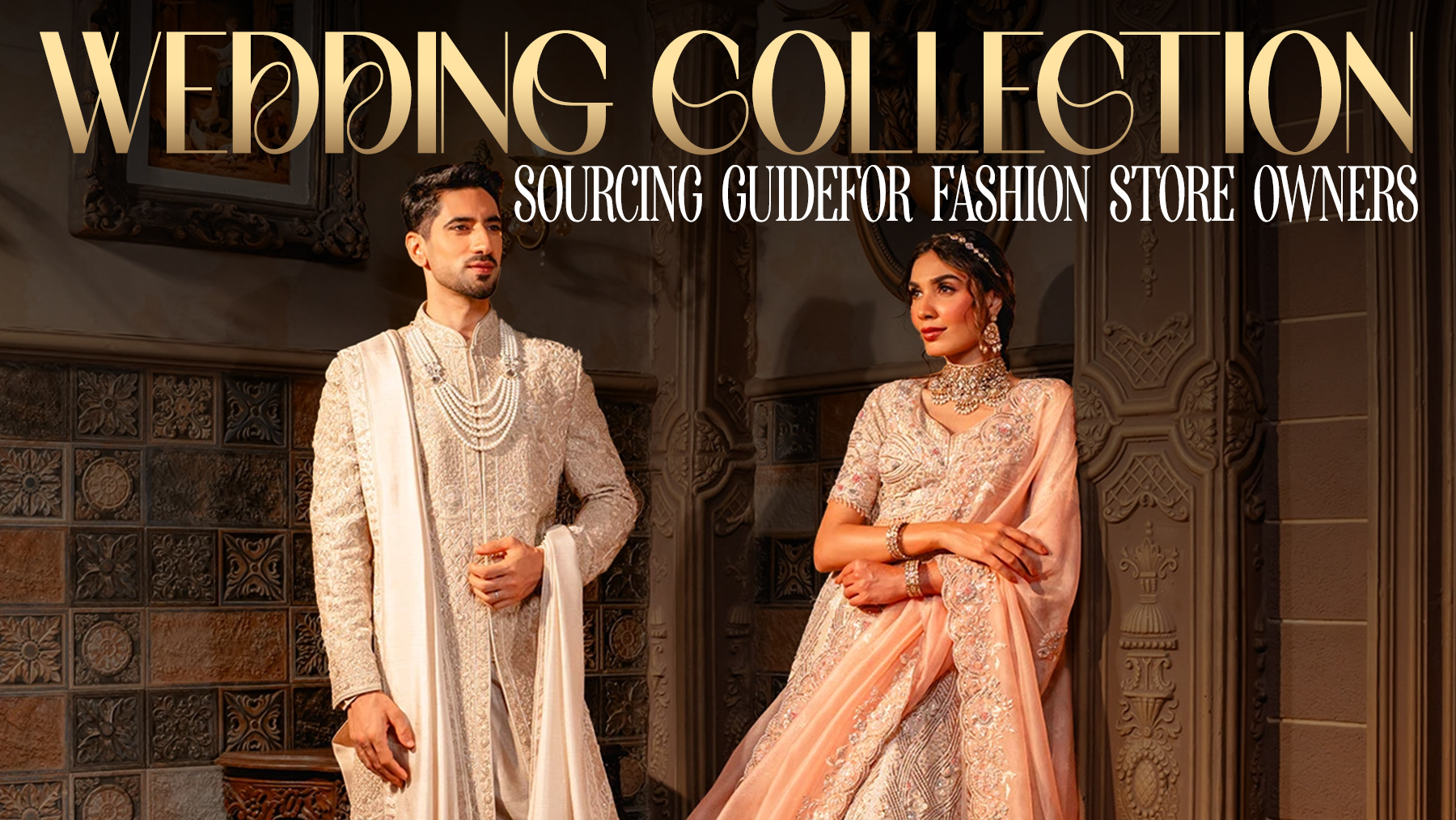
Wedding Collection Sourcing Guide for Fashion Store Owners
For a fashion store owner, building the right wedding collection is not simply about buying attractive outfits. It is about understanding what your customers are looking for, choosing the right mix of bridal and occasion wear, checking quality carefully, and sourcing products at a price that allows your store to remain competitive.
Ajmera Chandni Chowk is located in one of Delhi’s most recognised ethnic-wear shopping markets, where retailers, boutique owners and wedding shoppers can explore a wide range of sarees, lehengas and occasion wear. The store’s current collection includes wedding-oriented categories such as bridal lehengas, sarees, gowns and other ethnic styles, with options for both in-store and video-call shopping.
This guide explains how fashion store owners can approach wedding collection sourcing more systematically and build a collection that works across bridal, engagement, mehendi, sangeet and reception requirements.
Why Wedding Collection Sourcing Matters for Fashion Stores
Wedding customers usually shop for more than one occasion. A bride may need a main bridal lehenga, a lighter outfit for mehendi, another look for the sangeet and a saree or gown for the reception. Family members may also be looking for wedding sarees, suits, gowns and festive ethnic wear.
This makes wedding fashion an important category for retailers. Instead of filling the store with only heavy bridal pieces, a well-planned collection should cover different occasions, styles and customer budgets.
The key is variety without losing focus. A store should be able to offer customers a clear journey from traditional bridal wear to lighter celebration outfits.
What Should Be Included in a Wedding Collection?
A strong wedding collection normally combines statement bridal pieces with versatile occasion wear. The exact product mix should depend on the store’s customers, location and selling price.
1. Bridal Lehengas
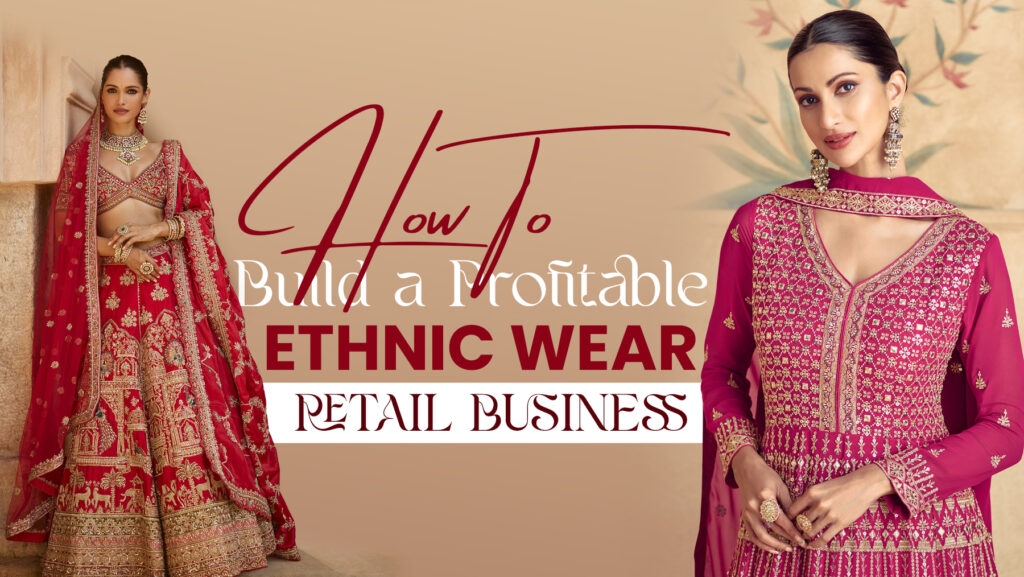
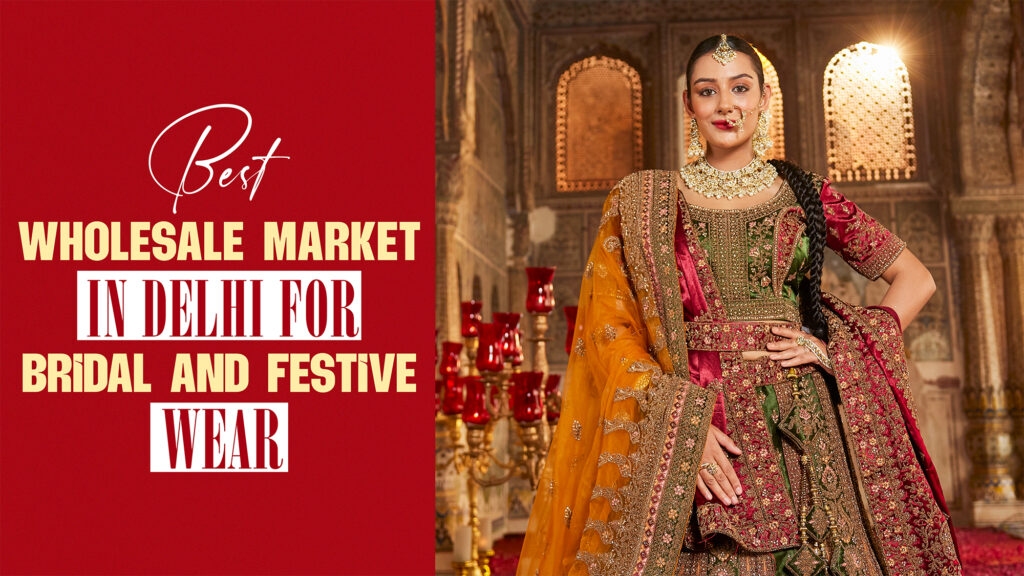
Bridal lehengas are usually the centrepiece of a wedding collection. Retailers can consider traditional red and maroon designs alongside pastel, pink, wine, gold, ivory and contemporary colour combinations.
Heavy embroidery, zari, zardozi-inspired detailing, sequins, threadwork and embellished dupattas can help create a premium bridal section. At the same time, keeping some lighter bridal designs gives customers more choice.
2. Wedding Sarees
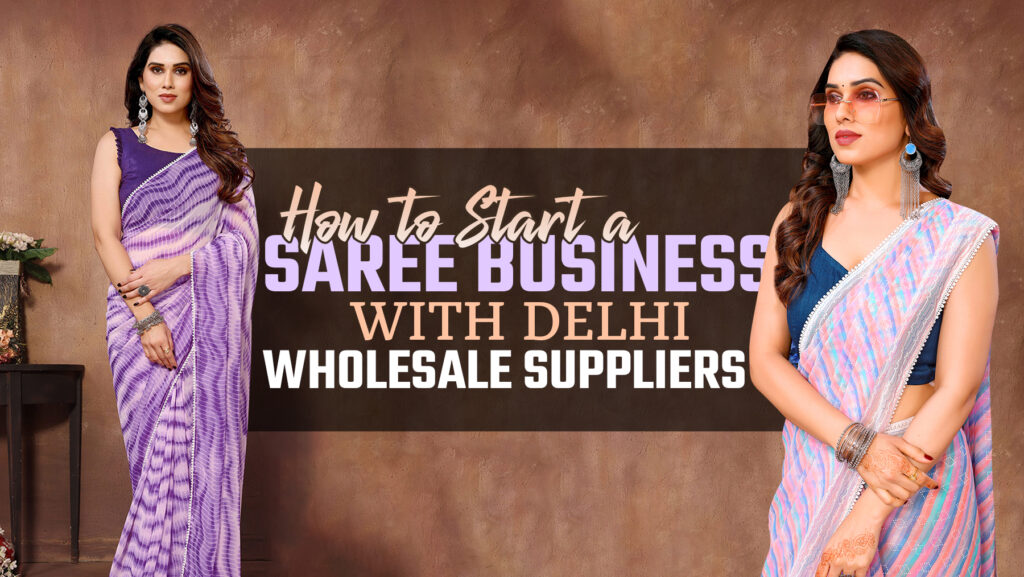
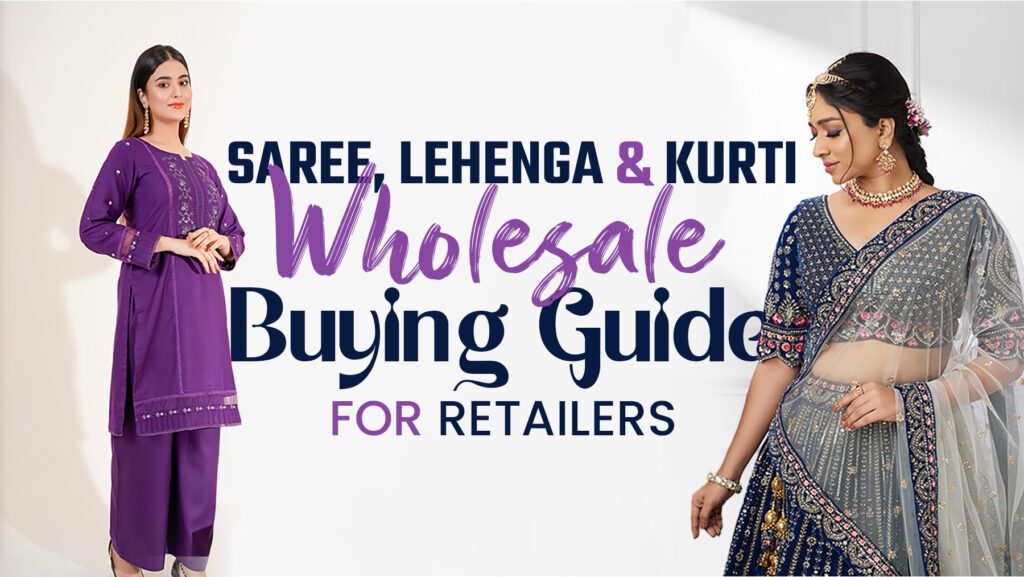
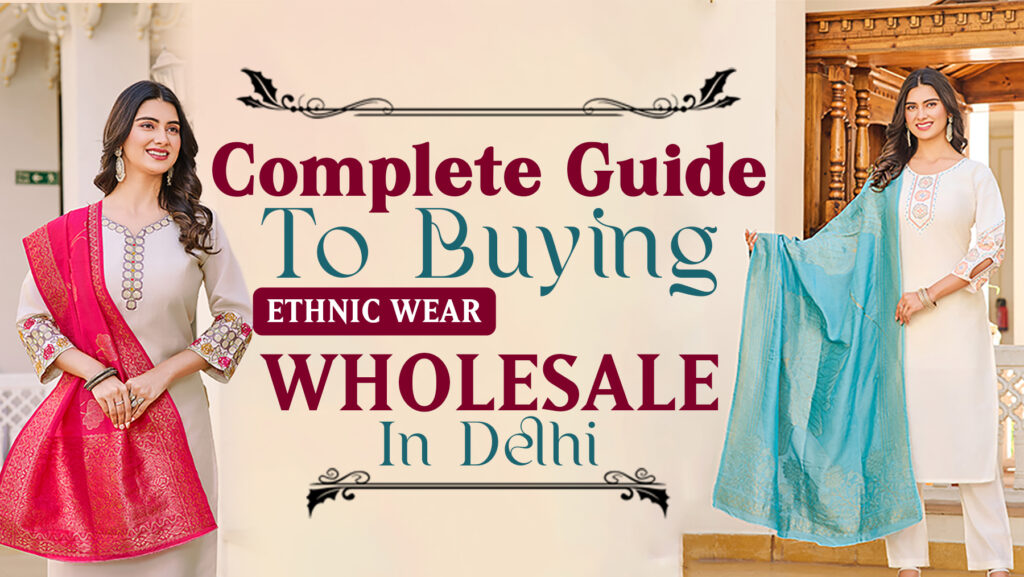
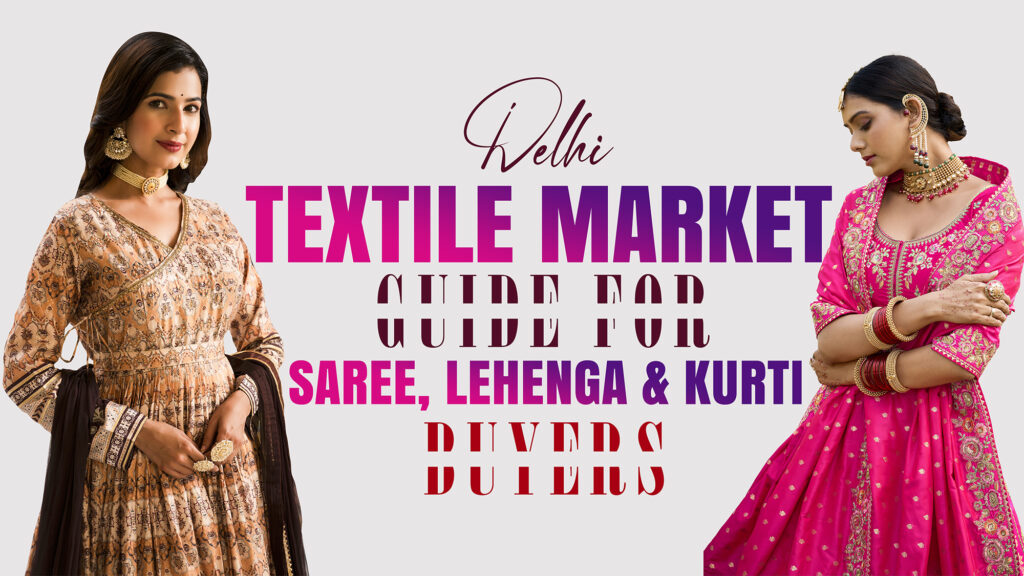
Sarees remain an important part of Indian wedding fashion. A store can build a wedding saree collection around silk, Banarasi-inspired styles, designer drapes, embroidered sarees and lighter party-wear options.
The objective is not to stock every possible saree. Instead, select designs that complement the customer profile of your store and can work for weddings, receptions, festive occasions and family functions.
3. Mehendi and Sangeet Wear
Pre-wedding functions have their own fashion requirements. Customers often look for lighter and more comfortable outfits that still have enough colour, embroidery and detailing to look special.
Bright lehengas, sharara-inspired styles, floral designs, mirror-style detailing and contemporary ethnic silhouettes can be considered for this part of the collection.
4. Reception and Party Wear
Reception customers may prefer a more sophisticated look instead of a traditional heavy bridal outfit. Designer sarees, gowns, lighter lehengas and Indo-Western styles can help retailers cover this requirement.
These products can also have a longer selling life because customers may purchase them for parties, festivals and other celebrations after the wedding season.
How to Choose the Right Wedding Wear Wholesale Supplier
Choosing a supplier should go beyond comparing the lowest price. For a fashion store, consistency in quality, product availability and communication can have a direct impact on customer satisfaction.
Before placing a bulk order, retailers should consider:
- Fabric quality and overall finishing
- Embroidery and embellishment quality
- Stitching and fitting options
- Colour and design consistency
- Availability of different sizes or customization
- Order quantities and wholesale terms
- Dispatch and delivery timelines
- Replacement or return policies, where applicable
- Communication and after-sales support
A reliable wedding wear supplier should be able to explain the product clearly instead of simply showing photographs and quoting a price.
Why Chandni Chowk Is a Major Wedding Wear Sourcing Destination
Chandni Chowk has long been associated with ethnic fashion and wedding shopping. Its surrounding market areas offer access to bridal wear, sarees, fabrics, embellishments and other wedding-related products, making it useful for buyers who want to compare different styles in one trip.
For retailers, the benefit is the concentration of fashion businesses and product categories. Instead of depending on one style, buyers can study current collections, compare fabrics and understand what is available at different price points.
For this reason, Chandni Chowk continues to be relevant for businesses looking for wedding wear wholesale in Delhi and for retailers who want to refresh their ethnic-wear inventory.
What to Check Before Buying a Bridal Lehenga Wholesale
Product inspection is one of the most important steps in wholesale sourcing. A lehenga may look impressive in a catalogue photograph but still require a closer inspection before a bulk purchase.
- Check embroidery density and finishing.
- Inspect the inside stitching and seams.
- Check the quality of the fabric and lining.
- Look carefully at stones, sequins, zari and other embellishments.
- Confirm blouse and lehenga measurements.
- Check the dupatta border and finishing.
- Ask whether alterations or customization are possible.
- Confirm the final product specifications before bulk ordering.
These simple checks can help retailers reduce avoidable quality issues and select products that are more suitable for their own customers.
How Fashion Store Owners Can Build a Balanced Wedding Collection
One of the common sourcing mistakes is buying too many similar products. If a retailer purchases only heavy bridal lehengas, the collection may become difficult to sell to customers looking for engagement, sangeet or reception outfits.
A better approach is to create different product groups. For example, a store can maintain a premium bridal section, a mid-range wedding section, a lightweight festive section and a reception or party-wear section.
This gives customers more choices while allowing the retailer to serve different budgets and occasions from the same store.
How Ajmera Chandni Chowk Can Support Wedding Collection Sourcing
Ajmera Chandni Chowk offers a range of ethnic fashion products including bridal lehengas, sarees, gowns and occasion-wear styles. Its website also provides options for browsing collections and arranging a video-call shopping experience, which can be useful for buyers who cannot immediately visit the market.
The brand’s current positioning focuses on wedding and occasion fashion, including collections for functions such as haldi, mehendi, sangeet and reception. Retailers can explore the available range and discuss their specific sourcing requirements directly with the team.
You can also explore our wedding lehenga wholesale collection and our wedding saree collection in Chandni Chowk for more information.
Tips for Buying Wedding Collections for Your Store
- Know your customer: Understand whether your buyers prefer traditional bridal fashion, contemporary designs or affordable occasion wear.
- Plan by occasion: Separate bridal, mehendi, sangeet, engagement and reception requirements.
- Check quality before quantity: Never choose a large order only because the price looks attractive.
- Compare fabrics and finishing: Two similar-looking designs can differ significantly in construction and material.
- Keep some versatile products: Lightweight sarees, gowns and lehengas can be useful beyond the traditional wedding season.
- Ask about repeat availability: If a design sells quickly, knowing whether the supplier can provide additional stock can help with inventory planning.
Wedding Collection Sourcing: A Practical Approach
Successful sourcing is ultimately about balancing fashion, quality, price and customer demand. A retailer does not need the largest possible collection; the goal is to have the right collection for the people who actually shop at the store.
Start by identifying your most important wedding categories, shortlist reliable suppliers, inspect samples, compare quality and then build your inventory gradually. This approach gives fashion store owners better control over stock and helps create a more focused shopping experience.
Conclusion
Wedding collection sourcing can become much easier when fashion store owners follow a structured buying process. Instead of selecting products only on appearance or price, retailers should evaluate fabric, finishing, occasion, customer demand, supplier reliability and repeat availability.
Chandni Chowk remains an important destination for ethnic and wedding fashion sourcing in Delhi, and Ajmera Chandni Chowk provides retailers and fashion buyers with access to wedding-focused ethnic collections including lehengas, sarees and occasion wear.
Whether you are refreshing an established fashion store or building a new ethnic-wear collection, a planned sourcing strategy can help you make better purchasing decisions and create a collection that customers can actually shop across multiple wedding functions.
Frequently Asked Questions
1. What should fashion store owners consider when sourcing wedding collections?
Fashion store owners should consider product quality, fabric, embroidery, fitting, price, customer demand, supplier reliability, order quantities and delivery timelines before purchasing a wedding collection.
2. What are the main products in a wedding wear collection?
A wedding wear collection can include bridal lehengas, wedding sarees, gowns, shararas, festive lehengas, engagement outfits, mehendi and sangeet wear, reception outfits and other ethnic occasion wear.
3. Why is Chandni Chowk popular for wedding wear sourcing?
Chandni Chowk is a major ethnic-fashion and wedding-shopping destination in Delhi. Retailers can explore a broad selection of sarees, lehengas, fabrics and occasion wear while comparing different suppliers and styles.
4. How can retailers check the quality of a bridal lehenga?
Retailers should inspect the fabric, lining, stitching, embroidery, embellishments, borders, finishing and measurements. It is also useful to clarify alteration, customization and replacement terms before placing a bulk order.
5. Should a fashion store stock only heavy bridal lehengas?
Not necessarily. A balanced collection can include heavy bridal lehengas along with lighter outfits for mehendi, sangeet, engagement and reception functions. This allows the store to serve customers with different requirements.
6. What types of sarees are suitable for a wedding collection?
Retailers can consider bridal sarees, silk styles, Banarasi-inspired designs, embroidered sarees, designer drapes and lighter party-wear sarees depending on their target customers and store positioning.
7. How can a retailer choose the right wedding wear supplier?
Compare quality, pricing, product consistency, communication, customization options, order requirements and delivery timelines. A supplier should also be able to clearly explain product specifications before an order is confirmed.
8. Can retailers source wedding collections without visiting Chandni Chowk?
Yes. Some suppliers provide online catalogues, product enquiries and video-call shopping. Ajmera Chandni Chowk also provides a video-call shopping option for customers who want assistance remotely.
9. Which wedding occasions should a fashion store collection cover?
A comprehensive collection can cover the main wedding ceremony along with engagement, haldi, mehendi, sangeet and reception. The ideal mix depends on the store’s customer profile and local demand.
10. Where can fashion store owners enquire about wedding collections at Ajmera Chandni Chowk?
Fashion store owners can contact Ajmera Chandni Chowk directly for collection and sourcing enquiries by phone or email, or visit the store at 4310 Jogiwara Gali Bhairov Wali, Nai Sarak, Chandni Chowk, Delhi.
Get In Touch
Ajmera Chandni Chowk
Phone: +91 98111 01484
Email: info@ajmerachandnichowk.com
Address: 4310 Jogiwara Gali Bhairov Wali, Nai Sarak, Chandni Chowk, Delhi, 110006