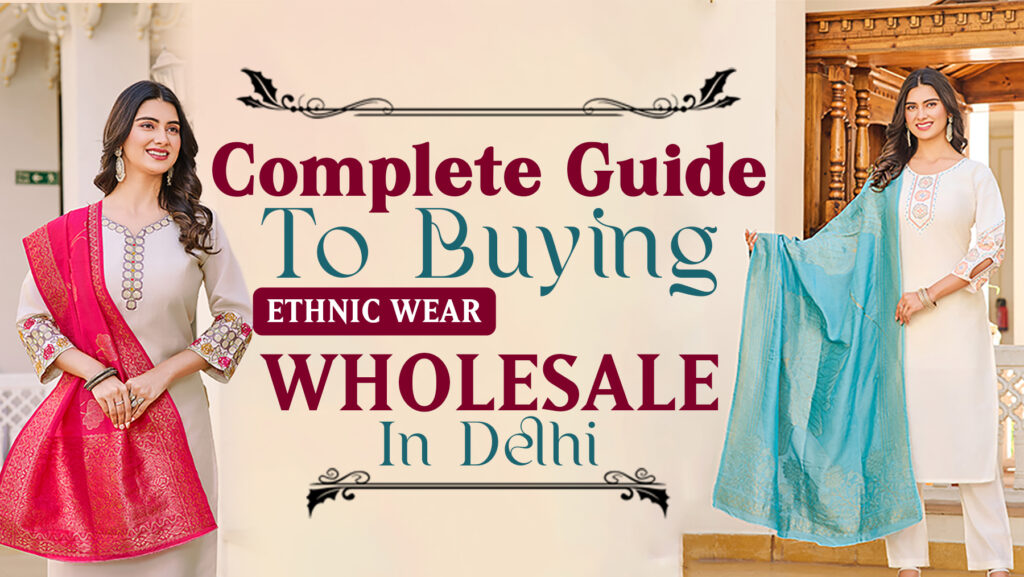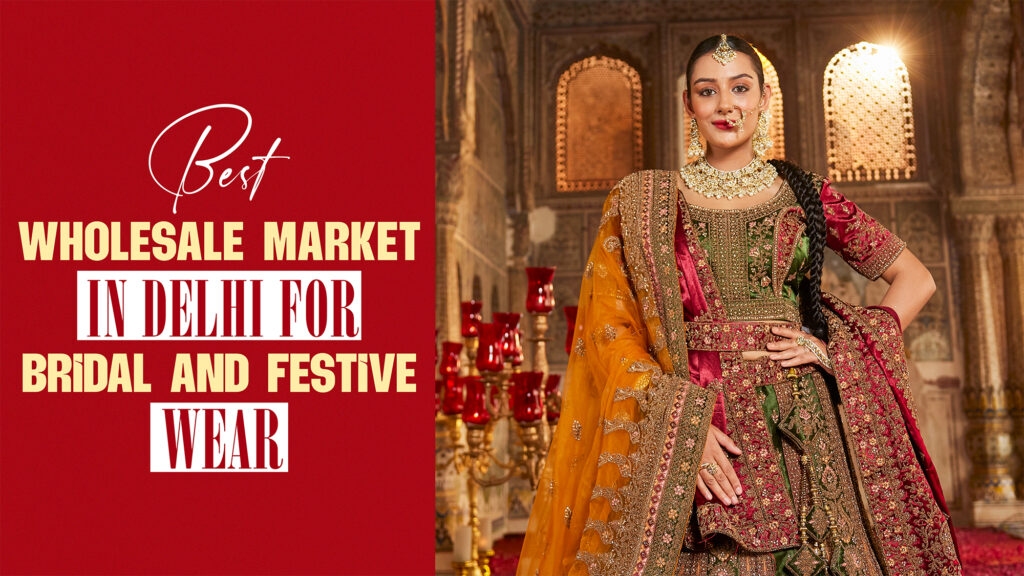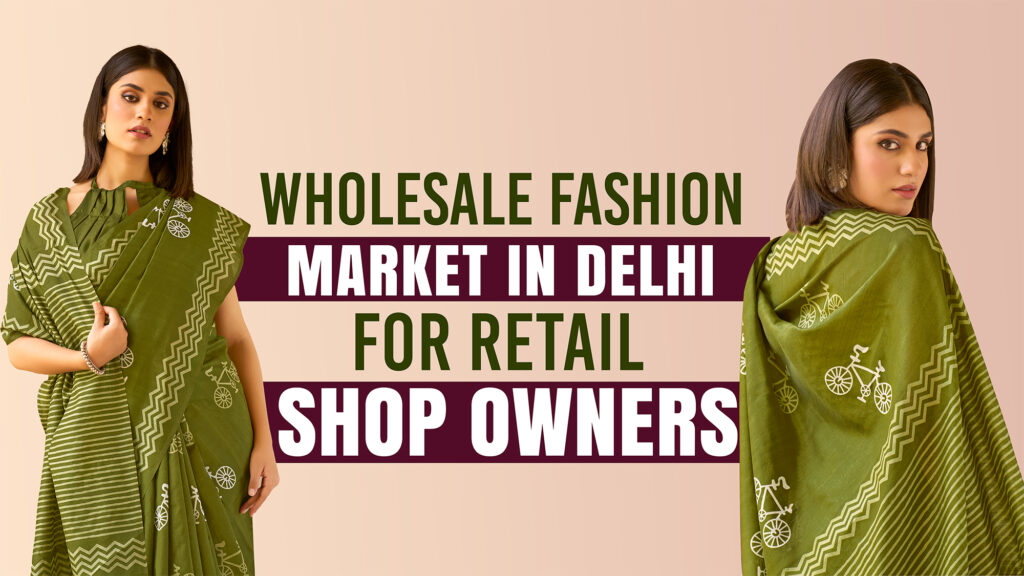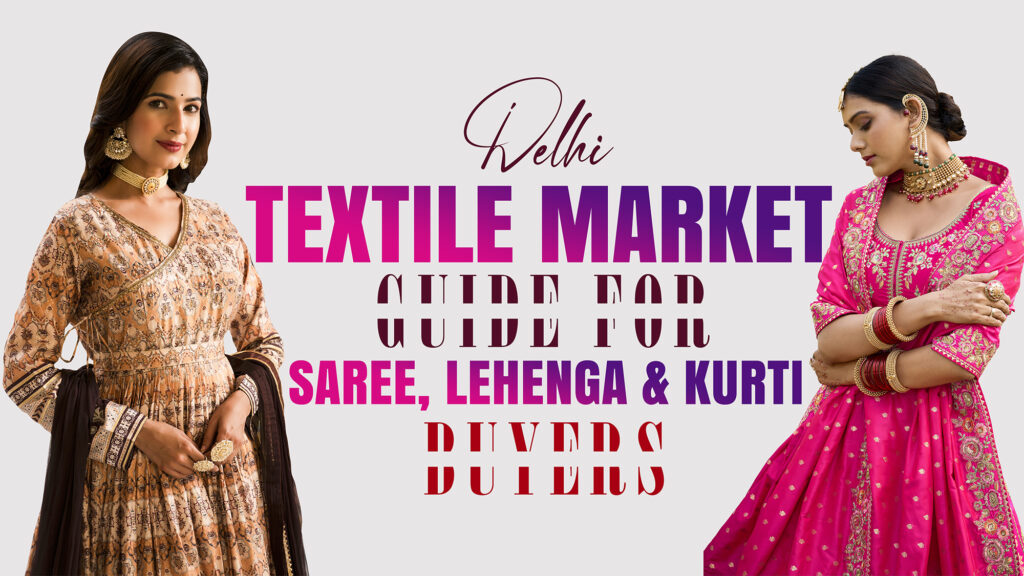


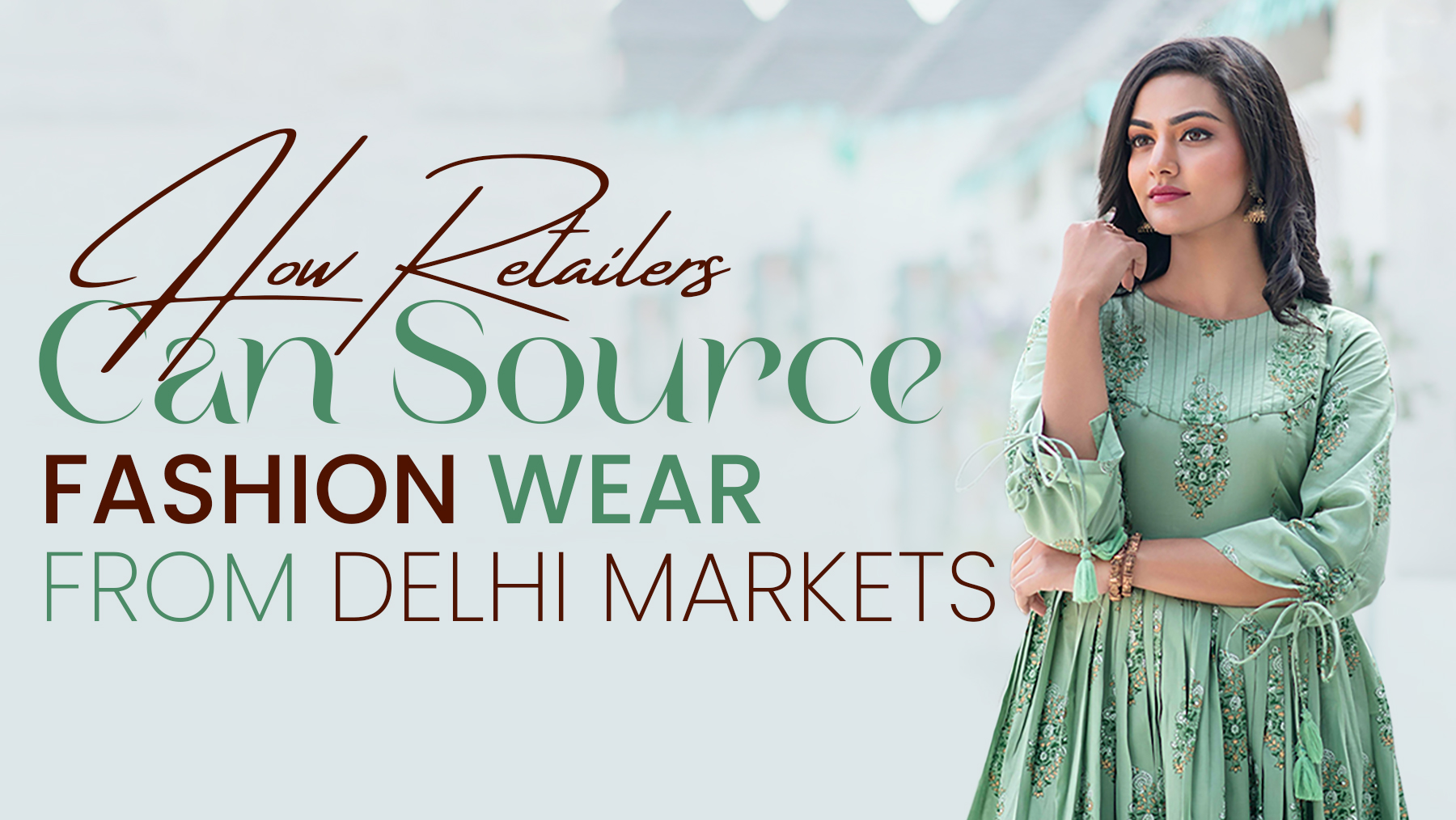
For a retailer, sourcing the right fashion wear is not simply about finding the lowest price. The real challenge is finding products that have good designs, reliable quality, healthy margins, consistent availability, and a supplier who can deliver when you need to restock.
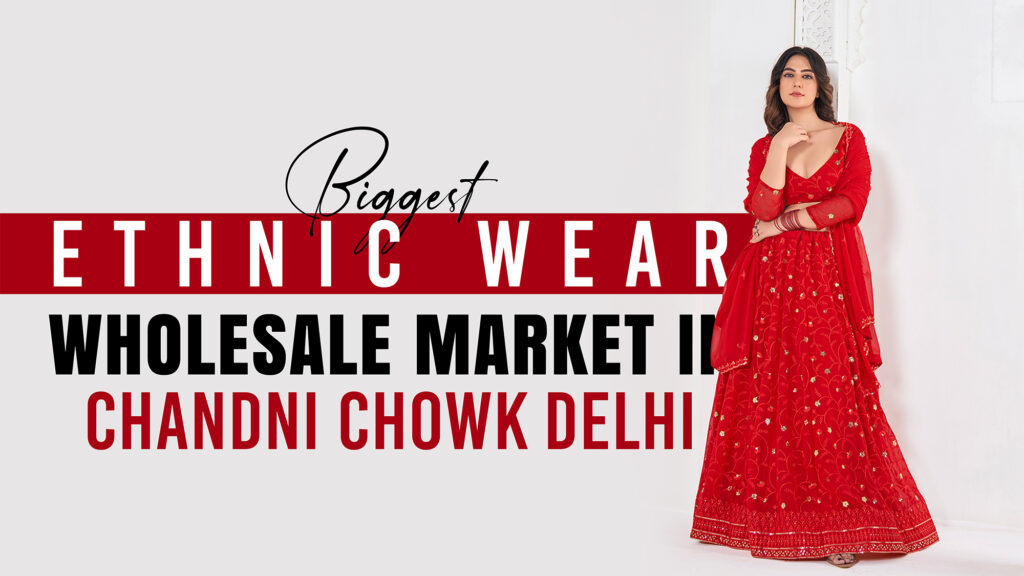
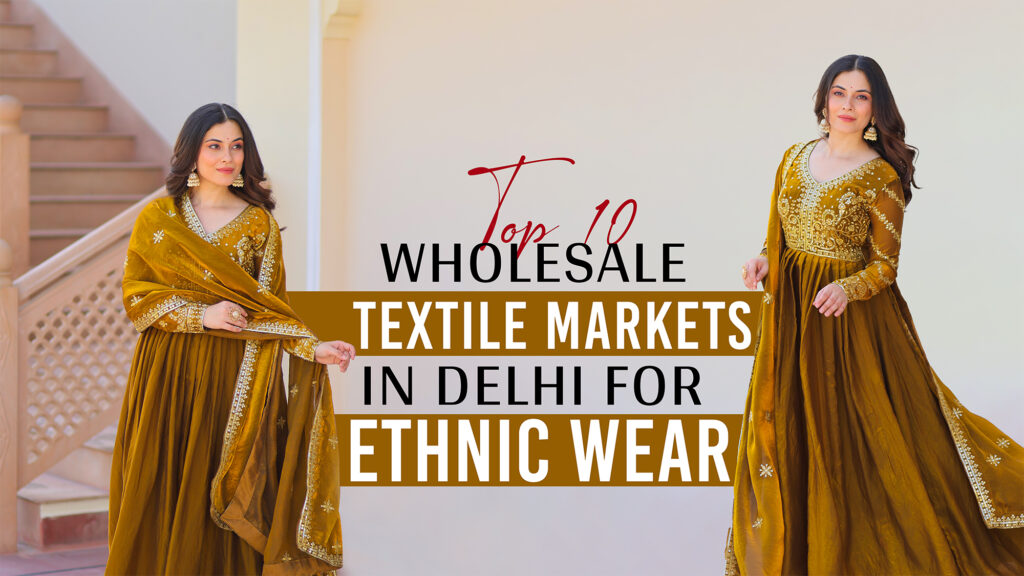
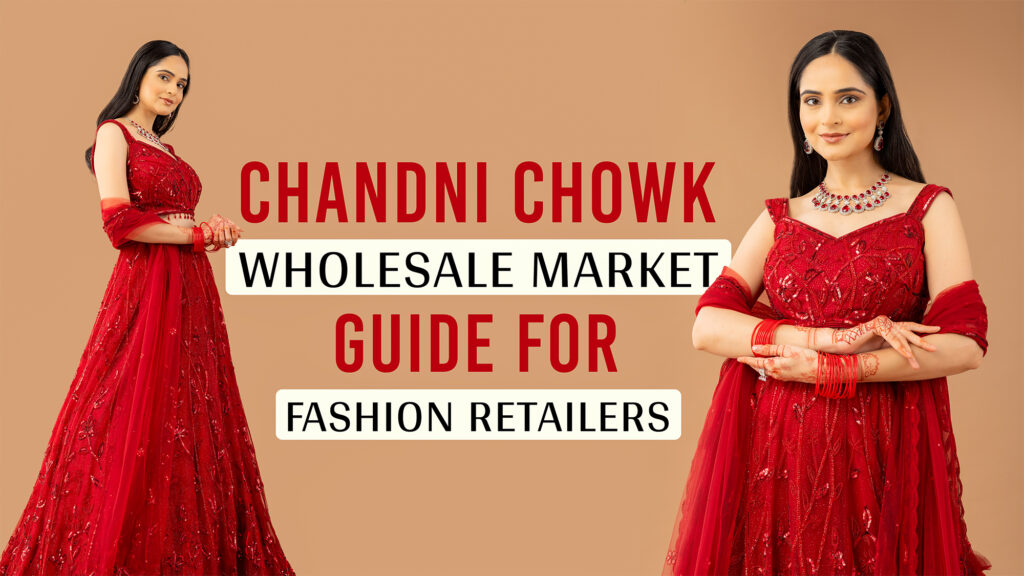
Delhi has long been one of India’s major destinations for wholesale clothing and fashion sourcing. Markets across the city cater to different categories, while Chandni Chowk is particularly well known for ethnic wear, bridal collections, fabrics, sarees, lehengas, and related fashion products.
For retailers looking to build or expand their fashion business, knowing how retailers can source fashion wear from Delhi markets can make the buying process much easier and more profitable.
Why Should Retailers Source Fashion Wear from Delhi?
Delhi gives retailers access to a large and diverse supplier network. Instead of depending on one type of product or one supplier, buyers can compare different collections, quality levels, price points, and fashion trends.
The biggest advantage is variety. A retailer can source everyday ethnic wear, festive collections, bridal outfits, party wear, sarees, lehengas, suits, and other fashion categories depending on the target customer.
Delhi’s wholesale clothing market also attracts buyers from different parts of India because of its established trading ecosystem and large number of suppliers.
For a retailer, this means more choices and a better opportunity to create a product mix that matches local customer demand.
Which Delhi Markets Are Suitable for Fashion Wear Sourcing?
Delhi has several wholesale and retail markets, but not every market is suitable for every fashion category.
Chandni Chowk is particularly relevant for ethnic and occasion wear. Its surrounding textile and fashion areas offer sarees, lehengas, bridal wear, dress materials, fabrics, trims, and other products.
Other Delhi markets serve different requirements. For example, Gandhi Nagar is widely associated with ready-made garments and large-volume apparel trading, while other markets cater to retail fashion, fabrics, and specific clothing categories.
Before visiting a market, retailers should decide exactly what they want to source. This saves time and prevents unnecessary purchases.
What Should Retailers Decide Before Buying Wholesale Fashion Wear?
A common mistake is visiting a wholesale market without a proper buying plan.
Before contacting a fashion wear supplier in Delhi, decide:
- Which product categories you need
- Your expected selling price
- Your target customer
- Approximate buying budget
- Required quantity
- Preferred quality level
- Seasonal requirements
- Expected retail margin
- Whether you need ready stock or customized products
For example, a boutique targeting wedding customers will have very different requirements from a retailer selling affordable daily ethnic wear.
A clear buying plan allows you to compare suppliers more effectively.
How to Find Reliable Wholesale Clothing Suppliers in Delhi
Finding a supplier is easy. Finding a supplier you can depend on for repeated business is much more important.
Start by checking the supplier’s product range and business experience. Ask whether they manufacture products themselves, source them from manufacturers, or operate purely as traders.
You should also understand their wholesale terms before placing a large order.
Ask about:
- Minimum order quantity
- Wholesale pricing
- Available sizes and colours
- Quality checking process
- Dispatch timelines
- Replacement policy
- GST billing
- Packaging and transportation
- Repeat-order availability
- Customization options
Established B2B suppliers commonly provide dedicated wholesale support, catalogues, bulk pricing, and order assistance. These services can make repeat sourcing much easier.
Why Quality Checking Is Important in Wholesale Fashion
Price should never be the only factor when purchasing wholesale fashion wear.
A product may look attractive in a catalogue but appear different when you physically inspect the fabric, embroidery, stitching, lining, finishing, or colour.
Retailers should check samples carefully before committing to large quantities.
Pay attention to:
- Fabric quality
- Stitching and finishing
- Embroidery quality
- Colour consistency
- Size accuracy
- Dupatta or accessory quality
- Packaging
- Product presentation
This is particularly important for premium ethnic wear because customers buying wedding and occasion outfits generally have higher expectations.
A small difference in quality can affect customer satisfaction and ultimately your retailer’s reputation.
How to Compare Wholesale Prices
Comparing only the per-piece price can be misleading.
Suppose Supplier A offers a dress at ₹1,000 while Supplier B offers a similar product at ₹1,100. If Supplier B provides better finishing, lower defect rates, better packaging, and more consistent restocking, the extra ₹100 may actually be worthwhile.
Retailers should therefore compare the total buying value, not simply the lowest quotation.
Consider:
Product Cost + Transportation + Packaging + Taxes + Defect Risk = Actual Sourcing Cost
This calculation gives you a better understanding of your potential retail margin.
How Much Stock Should a Retailer Buy?
The right quantity depends on your sales history, customer base, product category, and available working capital.
New retailers should generally avoid putting too much money into one design. Testing different designs can provide useful information about what customers actually want.
For an established retailer, historical sales data can help determine which products deserve larger quantities.
A practical strategy is to divide inventory into three groups:
Fast-Moving Products
These are products that consistently sell and can be purchased in higher quantities.
Trend Products
These may sell quickly for a short period but can become outdated as fashion changes.
Premium Products
These have higher ticket values and may require smaller quantities because the sales cycle is usually longer.
This approach helps retailers maintain variety without unnecessarily blocking working capital.
Why Chandni Chowk Is Important for Ethnic Wear Retailers
Chandni Chowk remains an important sourcing destination for retailers interested in ethnic and occasion wear. The area has a long-established textile and fashion ecosystem, with specialized markets and suppliers serving different requirements.
For buyers looking for bridal lehengas, sarees, ethnic suits, fabrics, and festive fashion, Chandni Chowk provides the advantage of being able to compare multiple collections in one major sourcing destination.
For this reason, retailers from outside Delhi can also consider Chandni Chowk when planning seasonal or wedding-season purchases.
How Ajmera Chandni Chowk Helps Retailers
Ajmera Chandni Chowk focuses on serving retailers and buyers looking for ethnic fashion collections from Delhi.
The brand’s positioning is particularly relevant for retailers who want to source products for their stores, boutiques, and fashion businesses while maintaining a balance between design, quality, and wholesale pricing.
Instead of treating wholesale buying as a one-time transaction, retailers should look for suppliers who can support repeated sourcing. Consistent communication, product availability, quality control, and reliable order processing become increasingly important as the business grows.
That is where a dependable wholesale relationship can make a significant difference.
Tips for Retailers Buying Fashion Wear from Delhi
Before finalizing your purchase, keep these practical points in mind:
- Visit multiple suppliers before making a large purchase.
- Compare quality, not just price.
- Start with samples when dealing with a new supplier.
- Keep your customer profile in mind.
- Track which designs sell fastest.
- Avoid excessive inventory in highly seasonal products.
- Ask about replacement and defect policies.
- Maintain records of supplier prices and product codes.
- Build relationships with suppliers you can reorder from.
- Plan purchases ahead of wedding and festive seasons.
The goal is not simply to buy more products. The goal is to buy the right products at the right price and at the right time.
Conclusion
Learning how retailers can source fashion wear from Delhi markets is an important step for anyone running a clothing store, boutique, reseller business, or online fashion business.
Delhi offers a broad supplier ecosystem, while Chandni Chowk is particularly valuable for retailers focused on ethnic and occasion wear. However, successful sourcing requires more than walking through the market and choosing attractive designs.
Retailers need to compare suppliers, verify quality, understand wholesale terms, calculate actual costs, manage inventory carefully, and develop long-term relationships with dependable suppliers.
For retailers looking for ethnic wear wholesale sourcing in Delhi, Ajmera Chandni Chowk can be a valuable sourcing partner for building a well-planned fashion collection.
Frequently Asked Questions
1. How can retailers source fashion wear from Delhi markets?
Retailers can source fashion wear by identifying the right market and product category, comparing multiple suppliers, checking product quality, understanding MOQ and wholesale pricing, and placing a sample or initial bulk order. Chandni Chowk is especially relevant for ethnic and occasion wear sourcing.
2. Which is the best wholesale clothing market in Delhi?
The best market depends on the product category. Chandni Chowk is particularly suitable for ethnic wear, bridal fashion, sarees, lehengas, fabrics, and occasion wear, while other Delhi markets specialize in ready-made garments and different apparel segments.
3. Is Chandni Chowk good for ethnic wear wholesale?
Yes. Chandni Chowk is a major sourcing destination for ethnic and occasion wear, including sarees, lehengas, bridal collections, fabrics, and traditional fashion products. Its established textile ecosystem makes it useful for retailers and boutique owners.
4. What should retailers check before buying wholesale clothes?
Retailers should check fabric, stitching, embroidery, sizing, colour consistency, finishing, packaging, wholesale price, minimum order quantity, replacement terms, and delivery timelines before placing a large order.
5. How can retailers get better wholesale prices?
Retailers can negotiate better prices by purchasing suitable quantities, developing long-term supplier relationships, understanding MOQ requirements, and comparing quotations from multiple suppliers. However, the lowest price should not automatically be considered the best deal.
6. Can small boutiques buy fashion wear wholesale from Delhi?
Yes. Small boutiques can source from Delhi, although they should first confirm the supplier’s minimum order quantity. Starting with smaller quantities or samples can help a new boutique understand product demand before making larger purchases.
7. What fashion products can retailers source from Chandni Chowk?
Retailers can find a broad range of ethnic and occasion wear, including sarees, bridal lehengas, designer ethnic outfits, suits, fabrics, and related fashion products. Different areas within the market specialize in different categories.
8. Should retailers buy trending fashion products in bulk?
Not always. Trend-based products can have a short selling window. Retailers should first test demand and then increase quantities for designs that demonstrate strong sales. This reduces the risk of unsold seasonal inventory.
9. How do retailers choose a reliable fashion wear supplier in Delhi?
Retailers should evaluate product quality, pricing, MOQ, communication, dispatch reliability, replacement policies, GST billing, and the supplier’s ability to maintain consistent collections. A reliable supplier should be suitable for repeat business rather than just one order.
10. Why should retailers consider Ajmera Chandni Chowk?
Ajmera Chandni Chowk is positioned as a wholesale ethnic wear sourcing option for retailers and boutique owners looking for fashion collections in Delhi. Retailers can contact the business directly to understand available collections, wholesale requirements, pricing, and order options.
Contact Ajmera Chandni Chowk
Ajmera Chandni Chowk
4310 Jogiwara Gali Bhairov Wali, Nai Sarak, Chandni Chowk, Delhi, 110006
Phone: +91 98111 01484
Email: info@ajmerachandnichowk.com