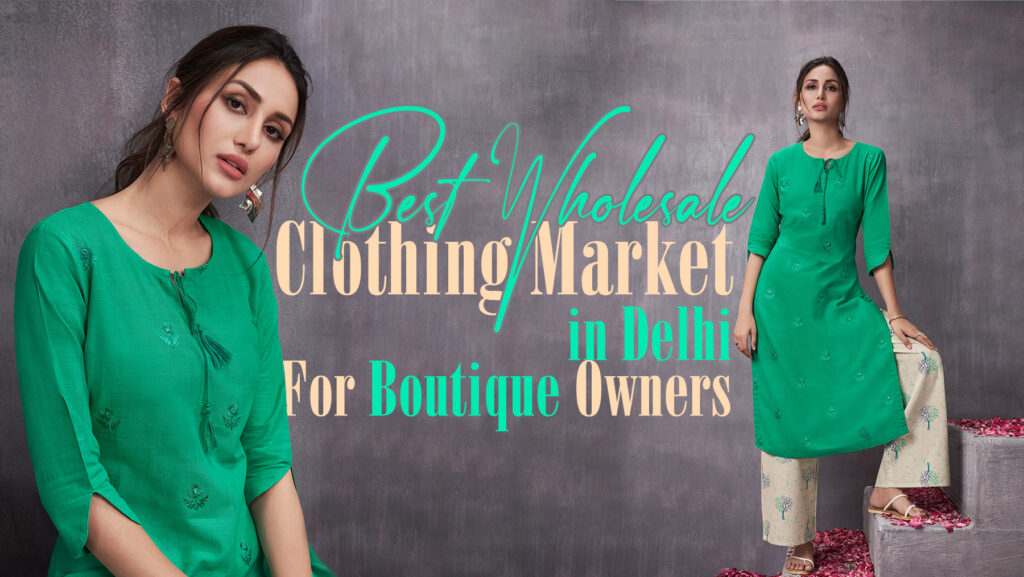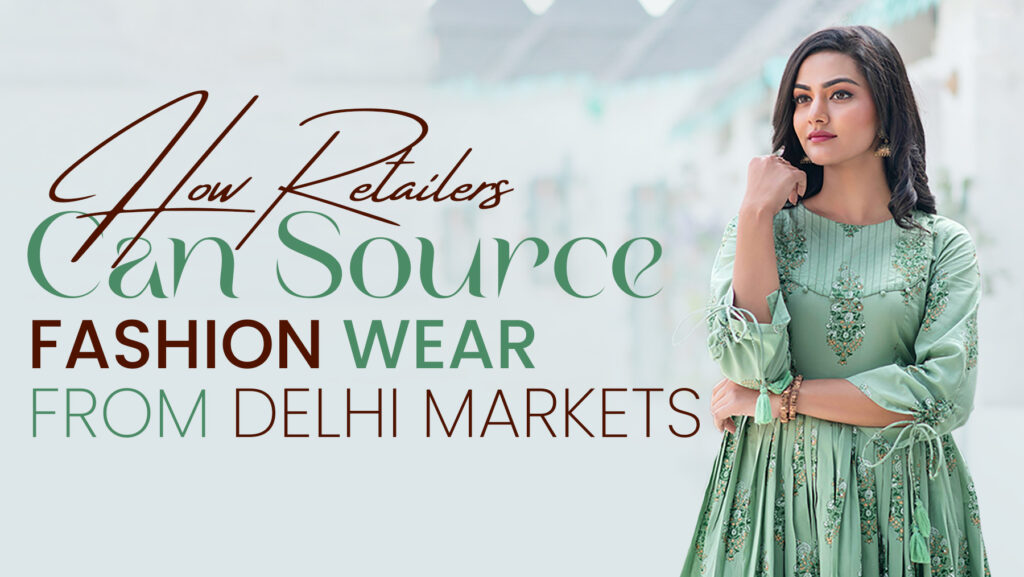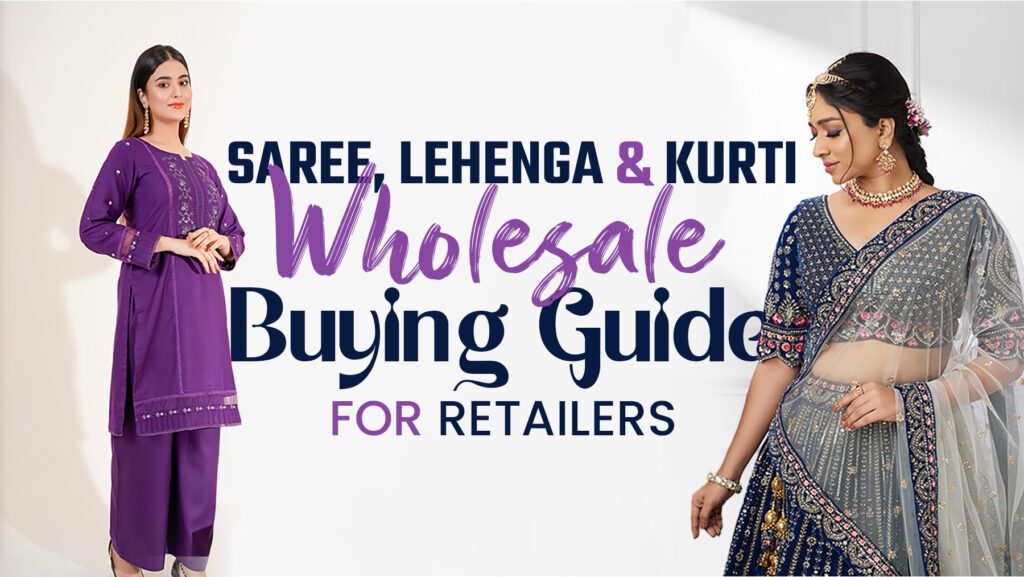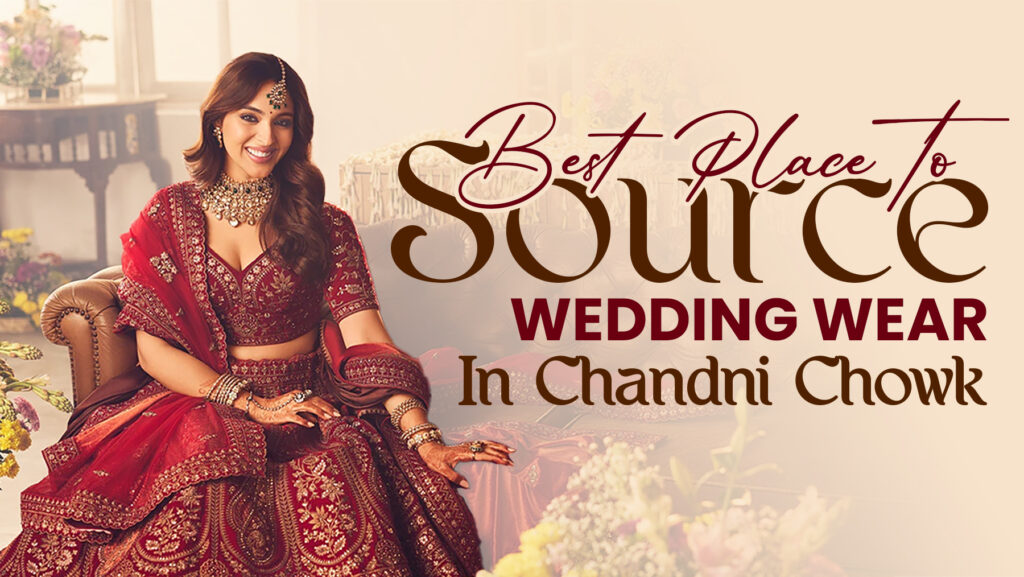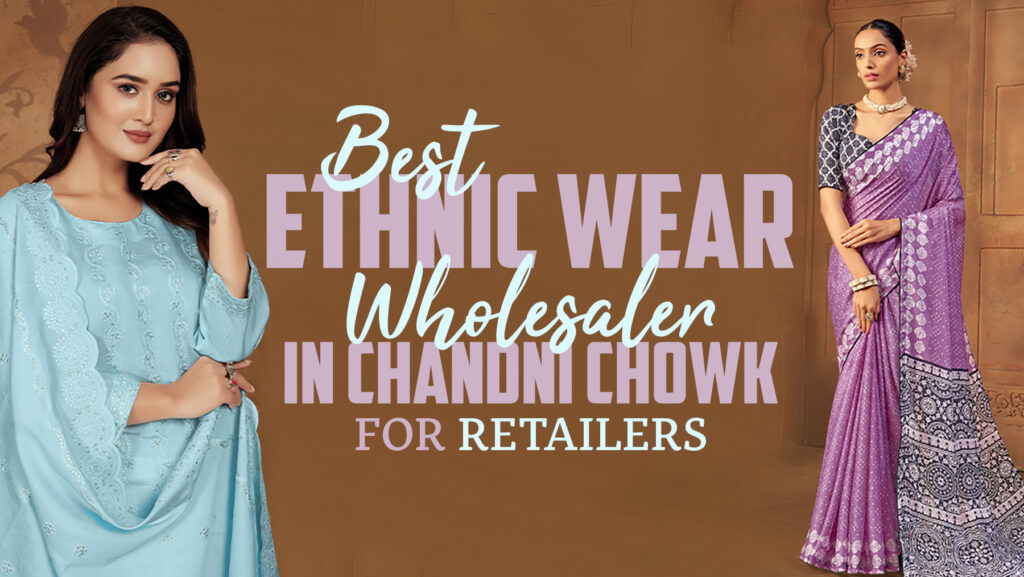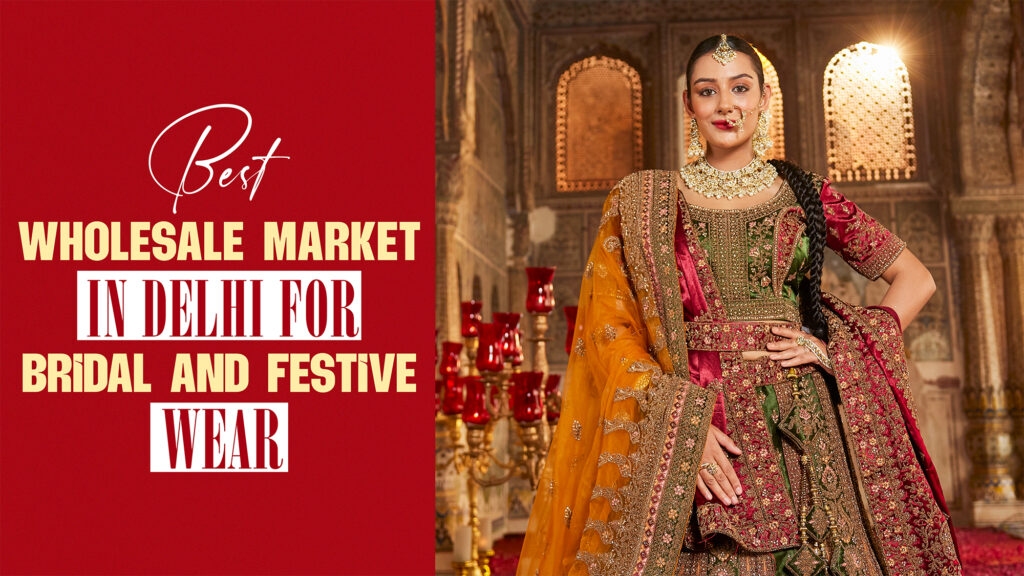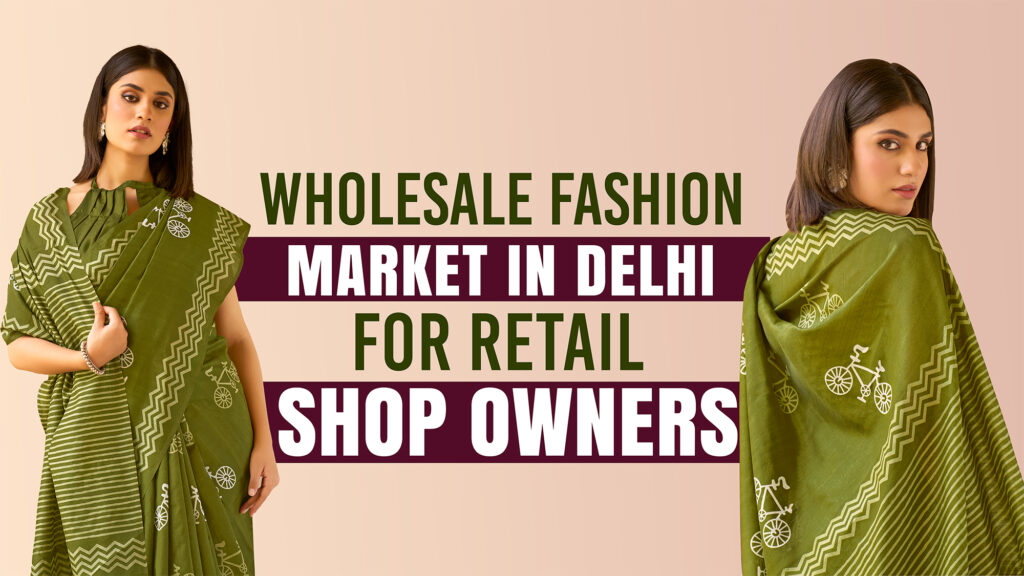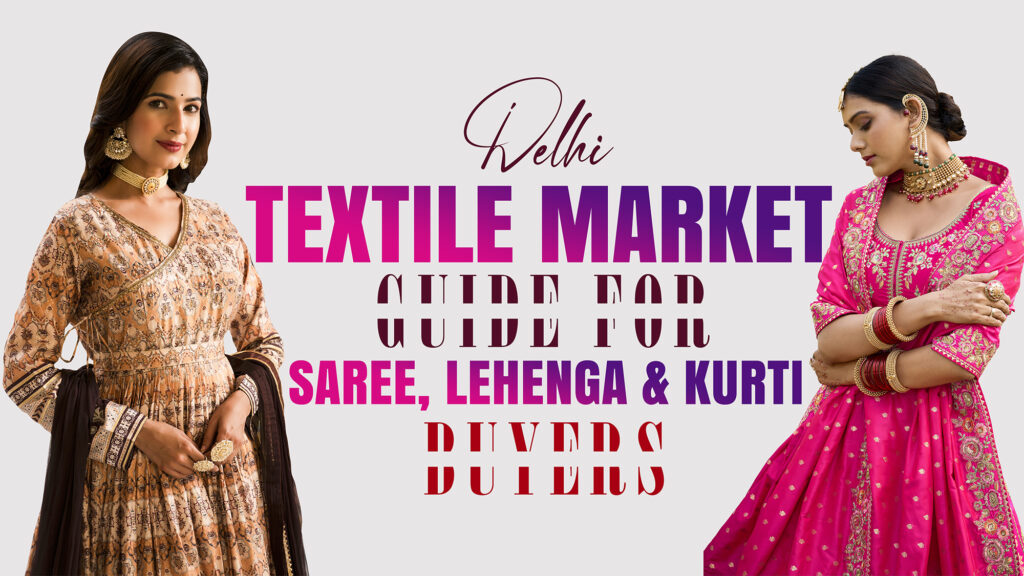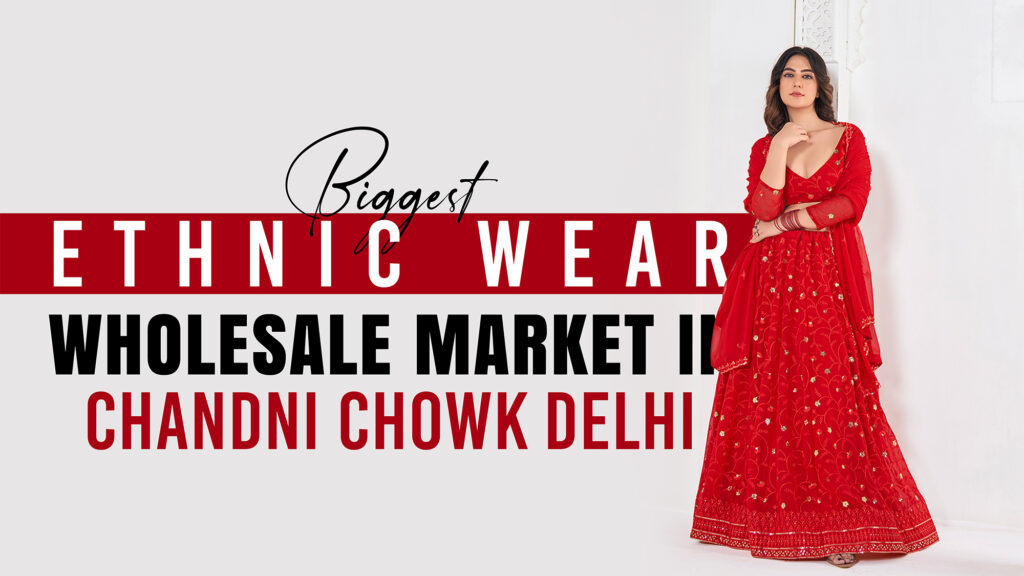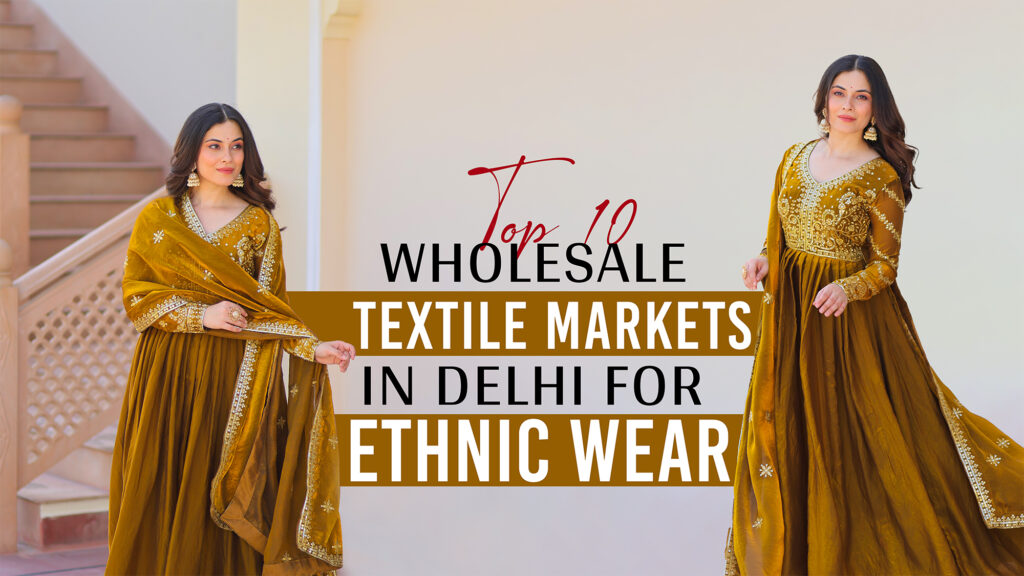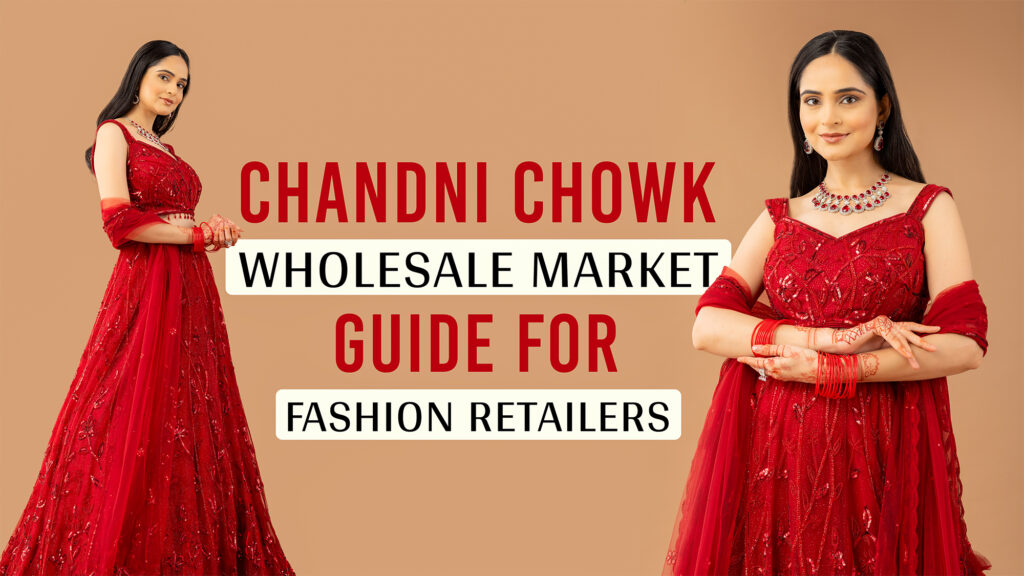


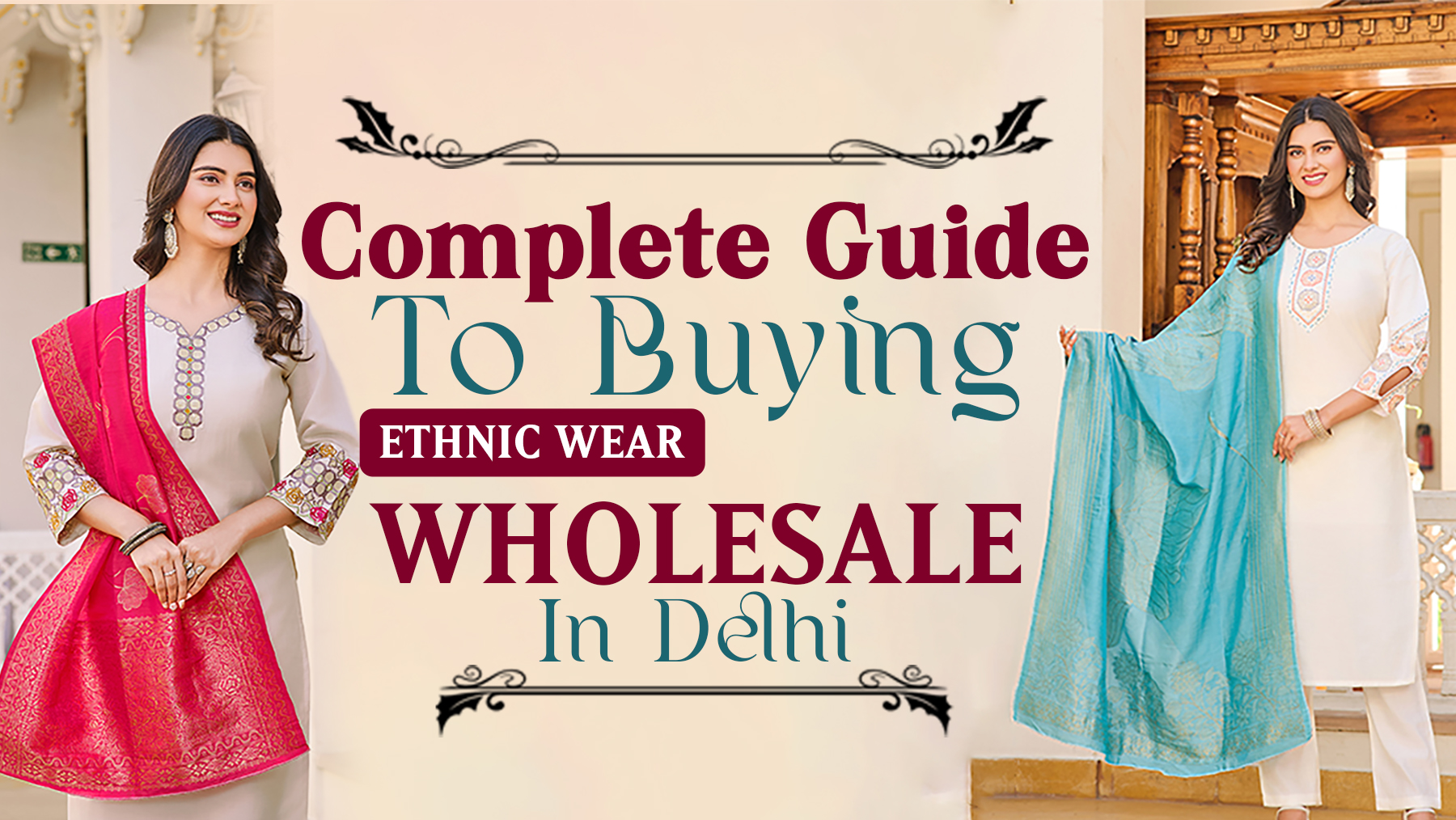
If you are planning to buy ethnic wear wholesale in Delhi, choosing the right market and supplier can make a big difference to your business. Delhi has long been one of India’s important fashion and textile trading hubs, and markets such as Chandni Chowk are particularly well known for sarees, lehengas, suits, kurtis and other traditional clothing.
For retailers, boutique owners, resellers and online fashion businesses, wholesale buying is not simply about finding the lowest price. Product quality, designs, supplier reliability, minimum order quantity, margins and regular availability all matter.
This guide explains what you should consider before buying ethnic wear wholesale in Delhi and how to make your sourcing process more efficient.
Why Buy Ethnic Wear Wholesale in Delhi?
Delhi offers a large and diverse wholesale ecosystem for ethnic fashion. Chandni Chowk, in particular, has a long-established textile and clothing trade, with wholesalers and manufacturers serving buyers from Delhi, other parts of India and overseas.
The main advantage is variety. A buyer can compare different fabrics, designs, embroidery styles and price points in a relatively concentrated market.
For a retailer, this means it is possible to build different collections for different customer segments instead of depending on only one product category.
Some of the commonly sourced categories include:
- Sarees
- Designer lehengas
- Bridal lehengas
- Kurtis
- Anarkali suits
- Salwar suits
- Gowns
- Party wear
- Festive ethnic wear
- Indo-western outfits
The market also changes quickly with customer demand. This is important because ethnic fashion is strongly influenced by wedding seasons, festivals and changing design preferences.
What Should You Check Before Choosing a Wholesale Supplier?
Choosing a supplier only because they offer a low price can create problems later. A better approach is to evaluate the complete value of the supplier.
Before placing a bulk order, check these important factors:
Product Quality
Always examine fabric, stitching, embroidery, lining, finishing, colour and overall construction. A product that looks attractive in a catalogue may feel different when physically inspected.
For retailers, consistent quality is especially important because customers expect the same standard across multiple purchases.
Design Variety
A good ethnic wear supplier should have enough variety to help you create a complete collection. Look for suppliers who regularly introduce new designs rather than selling the same styles throughout the year.
Wholesale Pricing
Compare prices for similar products from multiple suppliers. Do not compare only the final price. Consider fabric quality, embroidery, finishing, packaging and any additional charges.
A slightly higher purchase price can sometimes provide better margins if the product has stronger retail demand.
Minimum Order Quantity
MOQ, or minimum order quantity, is an important consideration for small retailers and new boutiques.
Ask the supplier:
- What is the minimum quantity per design?
- Can different designs be mixed in one order?
- Is there a minimum total order value?
- Are repeat orders subject to different conditions?
Understanding MOQ before ordering helps prevent unnecessary inventory.
How to Choose the Right Ethnic Wear Category
Your product selection should be based on your customers rather than simply buying whatever looks attractive.
For example, a bridal boutique may focus heavily on lehengas and wedding sarees, while a neighbourhood fashion store may need more kurtis, suits and affordable festive wear.
Consider the following before buying:
Target customer: Who is going to purchase the product?
Price range: What is the average amount your customers are comfortable spending?
Occasion: Are you selling everyday wear, festive wear, party wear or bridal clothing?
Season: What festivals or wedding seasons are approaching?
Existing inventory: Which categories are already overstocked?
This simple analysis can help you avoid purchasing products that remain unsold.
Why Chandni Chowk Is Important for Ethnic Wear Wholesale
Chandni Chowk remains one of Delhi’s most recognised destinations for traditional and ethnic fashion. The market has numerous businesses dealing in sarees, lehengas, suits, fabrics and other Indian clothing categories. Current market listings also show a wide range of ethnic wear wholesalers and suppliers operating in the Chandni Chowk area.
For wholesale buyers, the biggest advantage is the ability to compare different collections and suppliers within the same broader market.
Chandni Chowk is particularly useful for businesses looking for:
- Wedding collections
- Bridal lehengas
- Designer sarees
- Party wear
- Festive collections
- Women’s ethnic wear
- Boutique collections
- Bulk ethnic wear
However, because there are many suppliers, buyers should still perform their own quality and pricing checks before finalising an order.
Buying Ethnic Wear Wholesale From Ajmera Chandni Chowk
Ajmera Chandni Chowk focuses on serving buyers looking for ethnic wear collections for retail and wholesale requirements.
For a business buyer, the objective should be more than finding a single good-looking product. A reliable wholesale partner should be able to support regular sourcing, changing designs and consistent product requirements.
Ajmera Chandni Chowk can be considered by retailers and businesses looking for ethnic fashion collections across categories such as sarees, lehengas, kurtis and other occasion-based clothing.
The brand’s existing content also focuses specifically on helping retail shop owners understand Delhi’s ethnic wear wholesale ecosystem and the importance of sourcing from established markets such as Chandni Chowk.
How to Check Wholesale Ethnic Wear Quality
Before purchasing a large quantity, inspect samples carefully.
For sarees, check the fabric, border, print or embroidery, fall and finishing.
For lehengas, examine embroidery, blouse construction, lining, stitching, can-can or inner layers where applicable, and the quality of the dupatta.
For kurtis and suits, check stitching, fabric thickness, colour consistency, measurements and finishing.
If you are buying online or ordering without visiting the supplier, ask for detailed product videos, fabric information, measurements and clear photographs before placing a large order.
How to Calculate Your Wholesale Buying Budget
Do not use your entire purchasing budget on one category.
A simple approach is to divide your budget between different product segments based on your customer demand.
For example:
- Core products with regular demand
- Seasonal products
- Premium or high-value products
- New designs for testing
- Fast-moving repeat products
Keep some working capital available for reorders. If one collection performs well, you should have enough budget to replenish it rather than having all your money locked into slow-moving inventory.
Wholesale Price vs Retail Margin
Wholesale buying gives retailers the opportunity to create a margin between their purchase price and selling price, but the actual margin depends on several factors.
Consider:
- Purchase cost
- GST and applicable taxes
- Shipping
- Packaging
- Alteration costs
- Store expenses
- Marketing
- Discounts offered to customers
- Unsold inventory
Do not decide your selling price simply by adding a fixed percentage to the wholesale cost. Your final price should also reflect your market, customer expectations and competitor pricing.
Should You Visit Delhi or Buy Online?
Both options have advantages.
Visiting Chandni Chowk allows you to physically inspect fabrics, compare suppliers and negotiate directly. It is particularly useful when placing your first bulk order.
Online wholesale buying is convenient for repeat purchases. Once you have established a relationship with a trusted supplier, catalogues, videos and WhatsApp communication can make reordering much faster.
A practical strategy is to visit suppliers initially, understand their products and quality, and then use online communication for regular orders when the relationship is established.
Common Mistakes to Avoid When Buying Wholesale
New retailers often make a few avoidable mistakes.
Buying only because the price is low: Cheap inventory is not useful if customers do not want it.
Ordering too much of an untested design: Test new products before making a large investment.
Ignoring quality consistency: One good sample does not automatically guarantee that the entire bulk order will have the same finishing.
Not asking about MOQ: Understand quantity requirements before negotiating the final order.
Ignoring delivery timelines: Seasonal products need to arrive before the relevant festival or wedding season.
Not keeping invoices and order details: Proper documentation makes repeat orders and business accounting easier.
How to Build a Long-Term Wholesale Supplier Relationship
Once you find a supplier whose products and service match your requirements, building a long-term relationship can be more valuable than constantly searching for the lowest price.
Share clear product requirements, communicate your expected quantities and provide feedback about which designs are selling.
A supplier who understands your customer base can also become a useful source of information about upcoming designs and seasonal demand.
For a growing boutique or retail business, having two or three dependable wholesale sources can also reduce supply risk while giving you more product variety.
Final Thoughts
Buying ethnic wear wholesale in Delhi can be a strong sourcing opportunity for retailers, boutiques, resellers and fashion businesses. Delhi’s established markets, especially Chandni Chowk, offer access to a wide range of traditional and contemporary Indian clothing.
The key is to look beyond price. Compare quality, designs, MOQ, supplier reliability, delivery, margins and customer demand before placing a bulk order.
If you are looking for an established ethnic wear wholesale partner in Chandni Chowk, Ajmera Chandni Chowk can be a starting point for exploring your next collection.
Frequently Asked Questions
1. Where can I buy ethnic wear wholesale in Delhi?
Chandni Chowk is one of the major destinations for ethnic wear wholesale in Delhi. Buyers can find suppliers dealing in sarees, lehengas, suits, kurtis, bridal wear and other traditional clothing categories.
2. Is Chandni Chowk good for wholesale ethnic wear?
Yes. Chandni Chowk has a long-established clothing and textile trade and offers a wide variety of ethnic wear suppliers. It is particularly useful for retailers and boutiques that want to compare multiple collections and price points.
3. What ethnic wear can I buy wholesale in Delhi?
Common wholesale categories include sarees, lehengas, bridal wear, kurtis, salwar suits, gowns, Anarkali suits, party wear and festive ethnic collections.
4. How do I choose the best ethnic wear wholesaler?
Compare product quality, designs, wholesale prices, MOQ, delivery timelines, customer service and consistency. It is also advisable to inspect samples before placing a large order.
5. Can small boutiques buy ethnic wear wholesale?
Yes. Small boutiques can source wholesale collections, but they should check the supplier’s MOQ and minimum order value before placing an order.
6. What should I check before buying wholesale lehengas?
Check embroidery, fabric, stitching, lining, blouse construction, dupatta quality, measurements and finishing. Also confirm whether the actual bulk product will match the approved sample.
7. Can I buy ethnic wear wholesale online from Delhi suppliers?
Yes. Many suppliers now use websites, catalogues and WhatsApp to communicate with buyers. However, first-time buyers should verify the supplier and product quality before making a large payment.
8. Is ethnic wear wholesale profitable for retailers?
It can be profitable when retailers select products according to their customer demand and manage purchasing, pricing and inventory carefully. Profitability depends on product selection, operating costs and the final selling price.
9. What is the minimum order quantity for ethnic wear wholesale?
MOQ differs from supplier to supplier and product to product. Some businesses may allow smaller mixed orders, while others may require a specific quantity per design or a minimum total order value.
10. How can I contact Ajmera Chandni Chowk for wholesale requirements?
You can contact Ajmera Chandni Chowk directly to discuss your ethnic wear wholesale requirements, product categories, pricing and order details.
Get In Touch
Ajmera Chandni Chowk
Phone: +91 98111 01484
Email: info@ajmerachandnichowk.com
Address: 4310 Jogiwara Gali Bhairov Wali, Nai Sarak, Chandni Chowk, Delhi, 110006
For wholesale enquiries, contact the team to discuss your product requirements and sourcing needs.