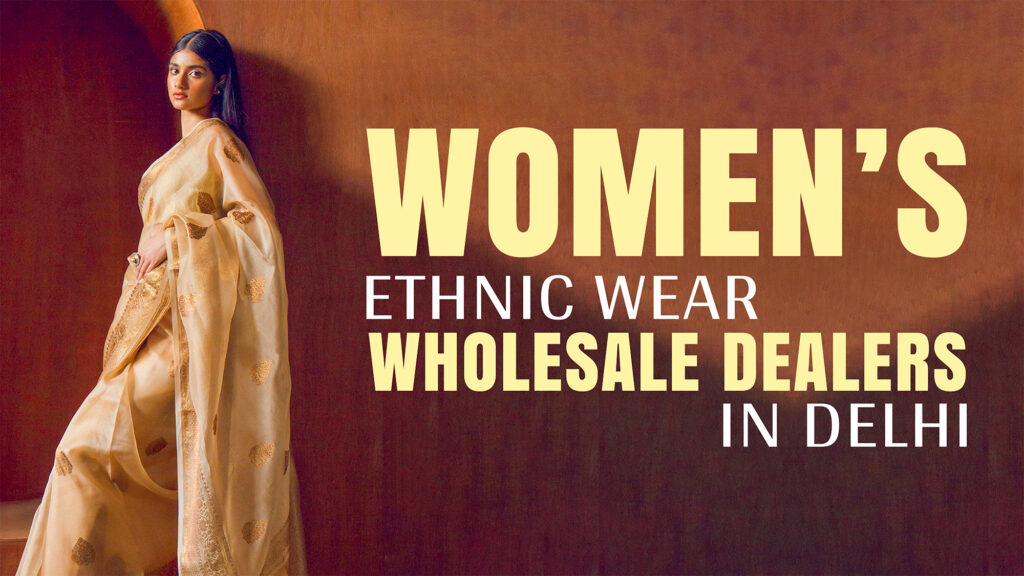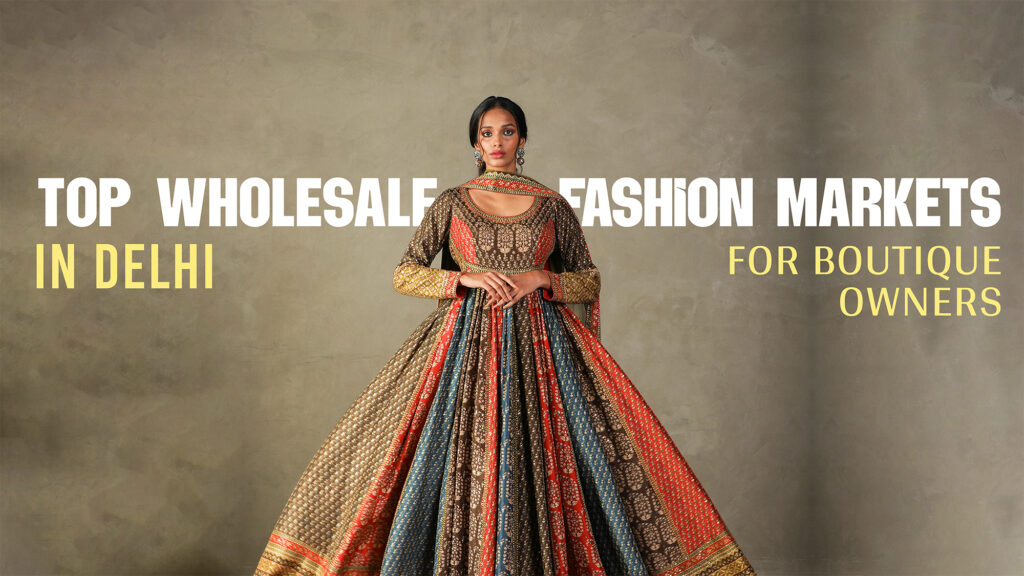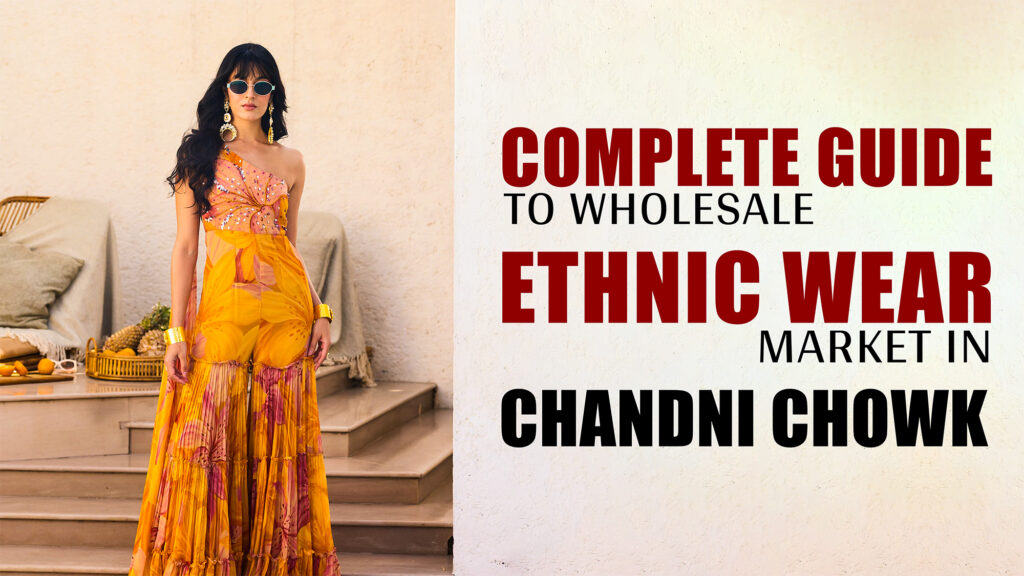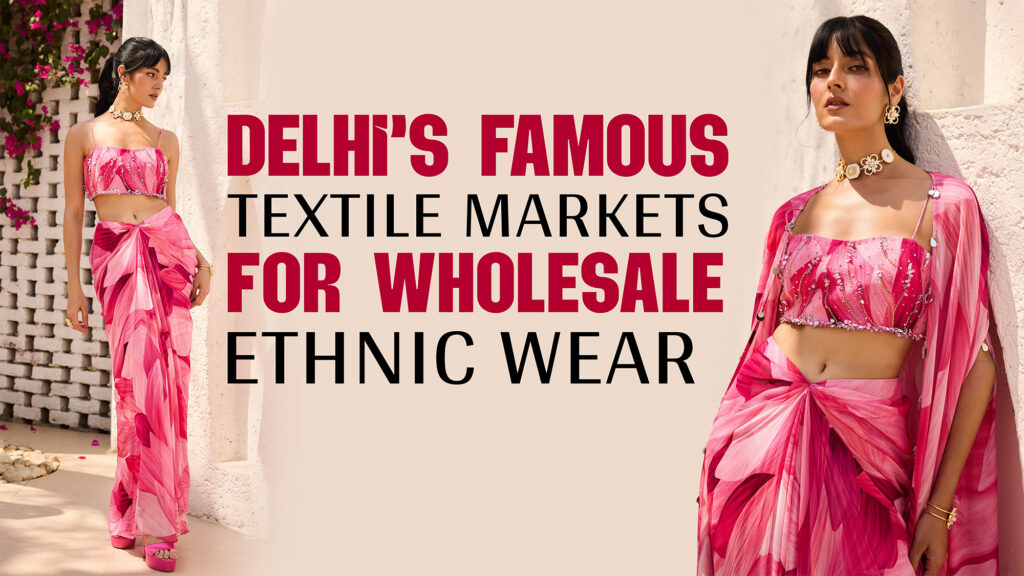


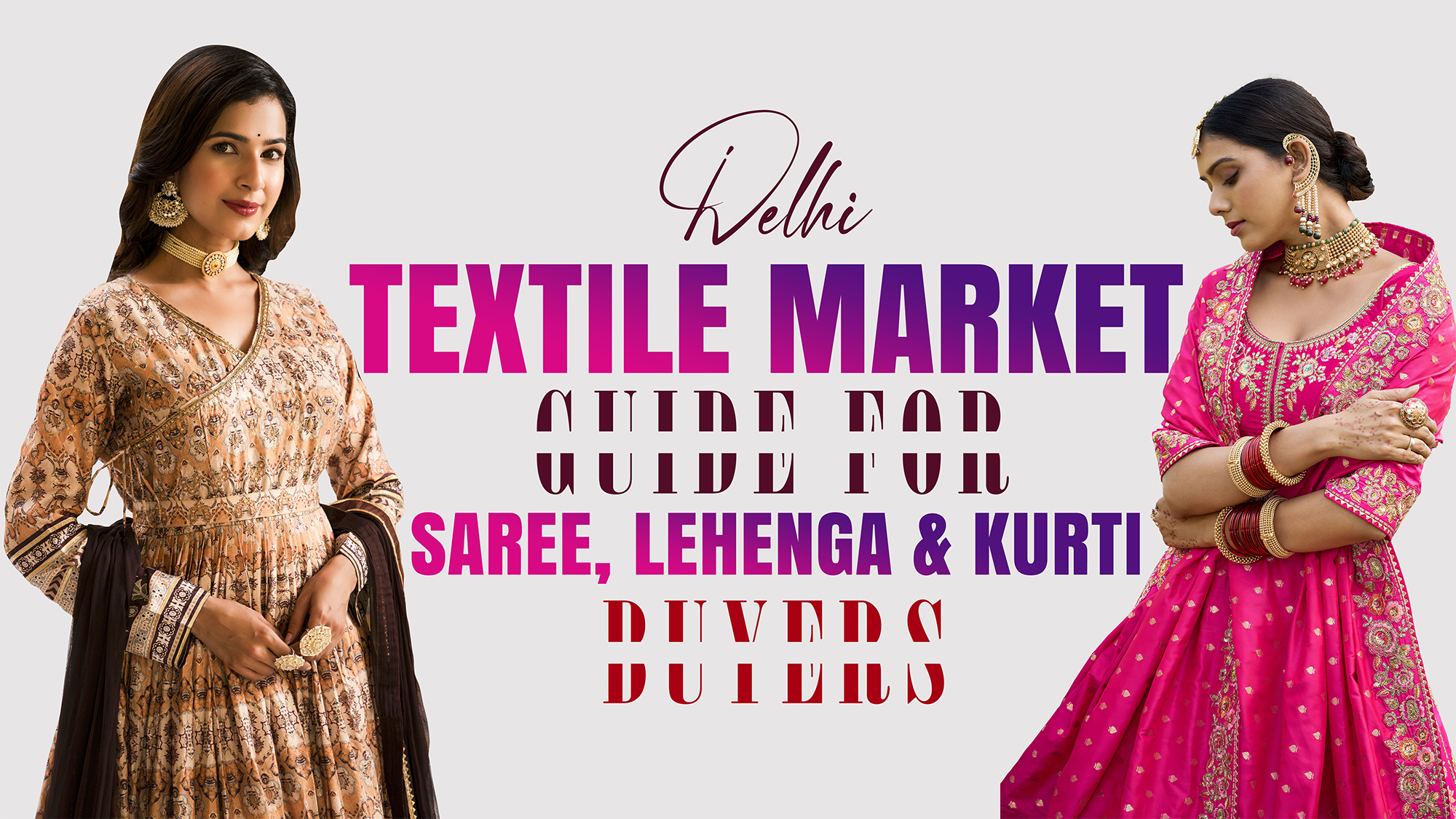
The Delhi textile market is one of the most important sourcing destinations in India for retailers, boutique owners, resellers and fashion businesses. From traditional sarees and bridal lehengas to everyday kurtis and festive ethnic wear, Delhi offers a huge variety of products at wholesale prices.
For buyers who are visiting Delhi for the first time, however, the market can feel confusing. There are several areas, hundreds of shops and thousands of designs to choose from. Knowing where to go, what to look for and how wholesale buying works can make the entire experience much easier.
Among the major wholesale destinations, Chandni Chowk remains one of the most popular choices for ethnic wear buyers. Ajmera Chandni Chowk is part of this established textile ecosystem and provides retailers with a wide selection of ethnic fashion products for wholesale purchasing.
What Makes the Delhi Textile Market Important for Buyers?
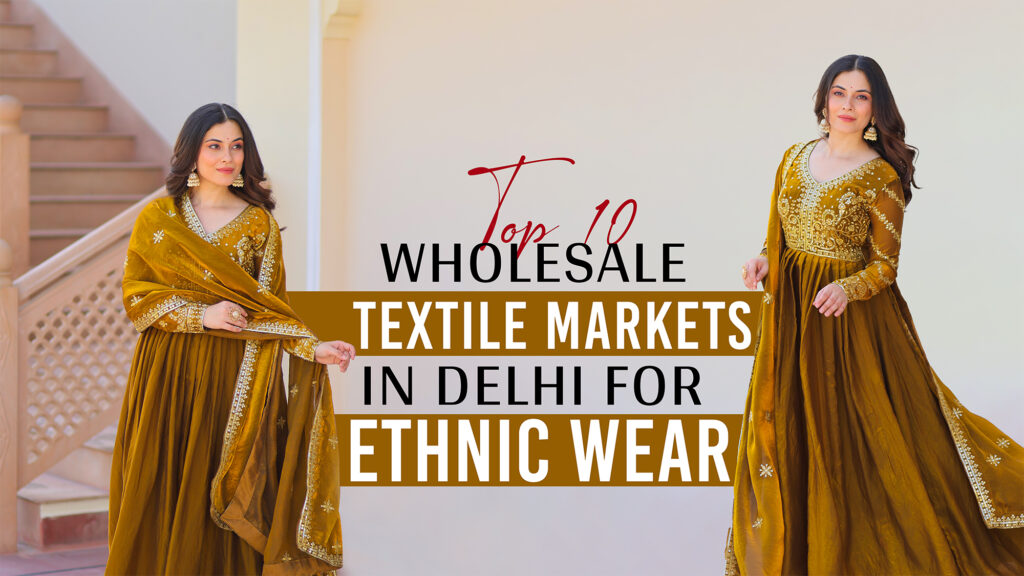
The Delhi textile market is important because it brings manufacturers, wholesalers, retailers and fashion businesses together in one of India’s largest trading environments. Buyers can compare designs, fabrics, finishing and prices before placing their orders.
Another major advantage is product variety. A retailer looking for wedding collections may find bridal lehengas and designer sarees, while a boutique owner focusing on regular ethnic fashion can explore kurtis, suits and other ready-to-wear products.
- Large variety of ethnic and traditional clothing
- Wholesale pricing for retailers and bulk buyers
- Multiple product categories available in one market
- Access to manufacturers and experienced wholesalers
- Collections suitable for different customer segments
Why Chandni Chowk is a Major Textile Market in Delhi
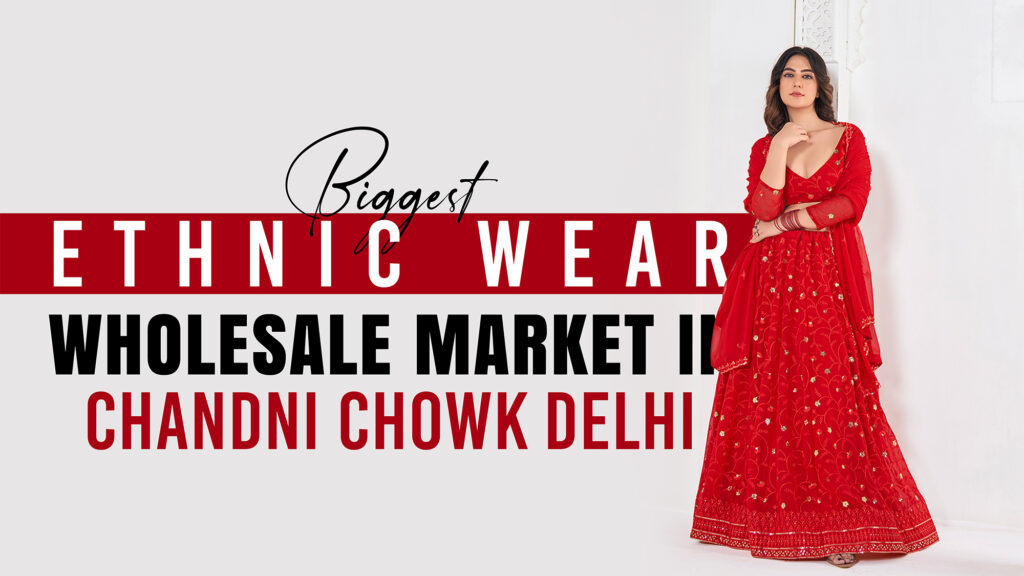
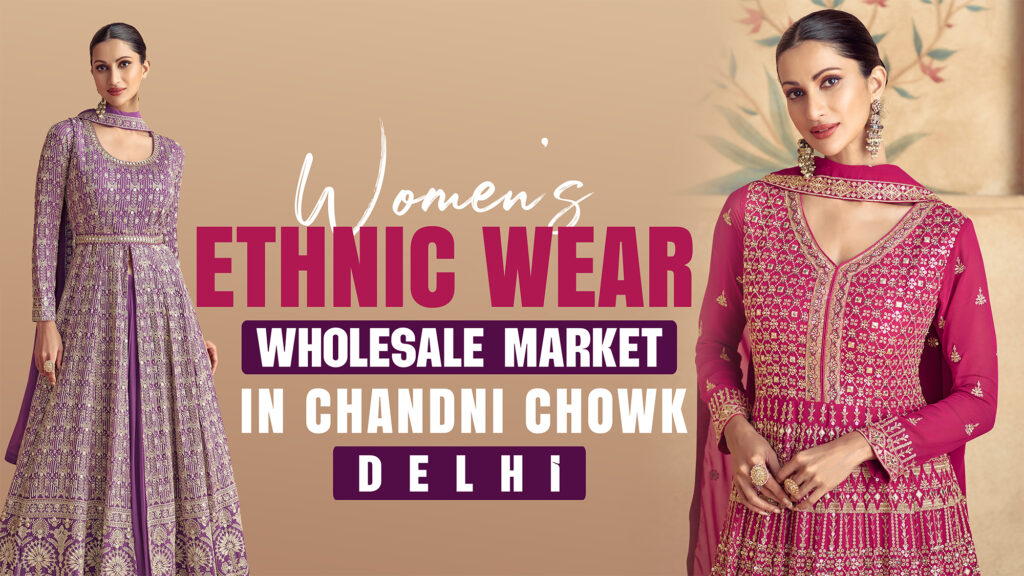
When discussing the textile market in Delhi, Chandni Chowk deserves special attention. The area has a long history of textile and clothing trade and continues to attract buyers from different parts of India.
The market is especially well known for ethnic wear, bridal clothing, sarees, lehengas, suits and other fashion products. Buyers can move through different lanes and wholesale shops to compare collections according to their budget and business requirements.
For retailers, the biggest advantage is the ability to source products from an established wholesale ecosystem rather than depending only on local suppliers.
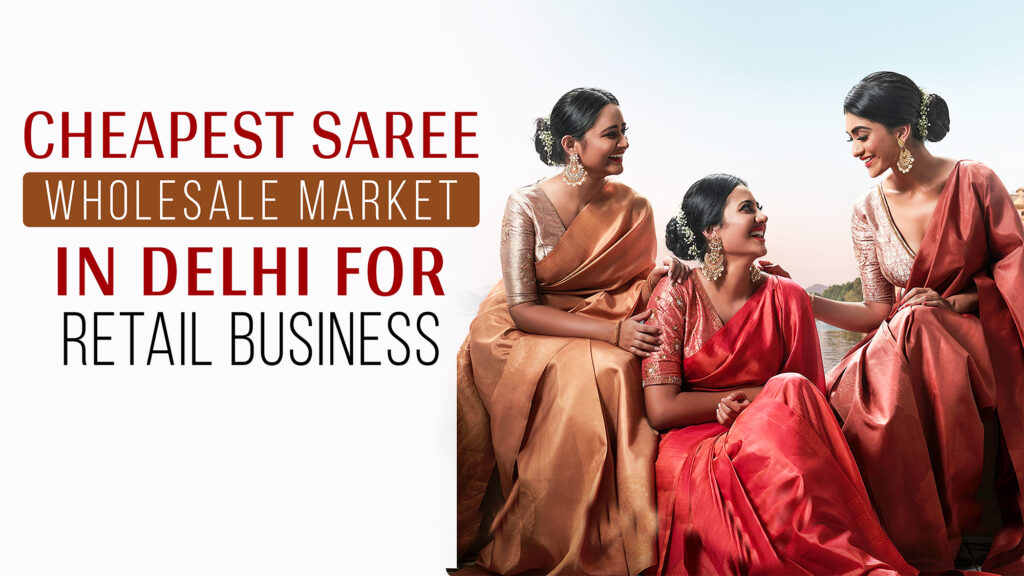
Saree Wholesale Market Delhi: What Should Buyers Look For?
The saree wholesale market in Delhi offers products ranging from traditional sarees to contemporary designer styles. Retailers should not select sarees only because a design looks attractive. Fabric, embroidery, finishing, colour consistency and customer demand are equally important.
Before buying a wholesale saree collection, check the quality of the fabric, stitching and borders. If you are purchasing for a retail store, it is also useful to understand which designs suit your existing customer base.
For wedding-focused stores, premium sarees may work better, while retailers targeting everyday ethnic fashion may prefer lightweight and affordable collections.
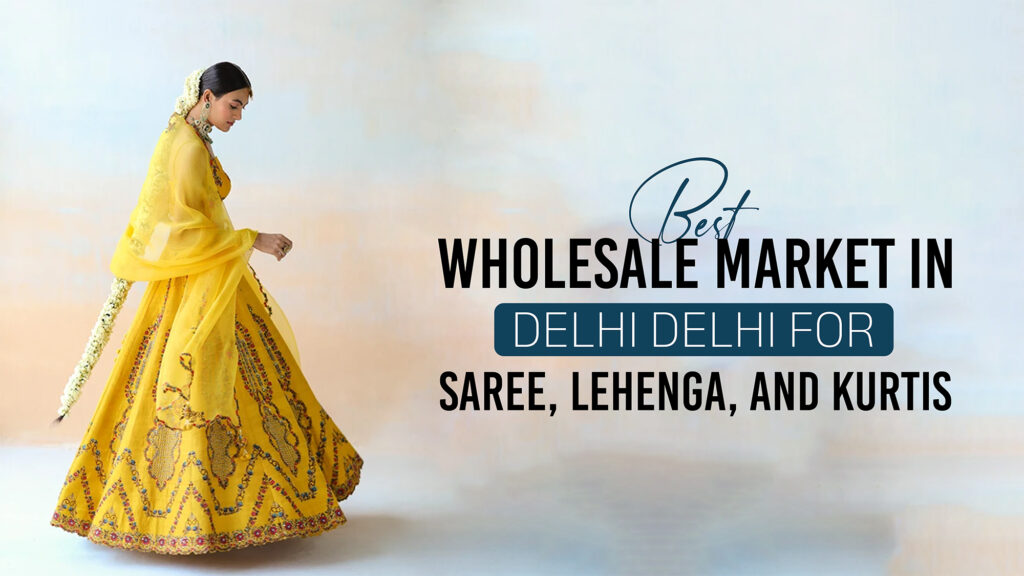
Lehenga Wholesale Market Delhi for Bridal and Festive Collections
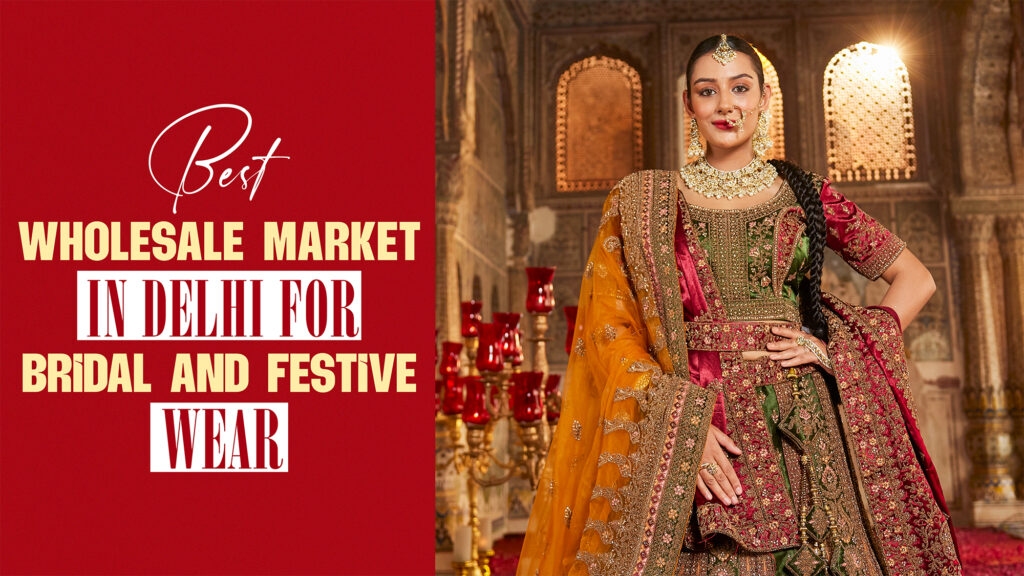
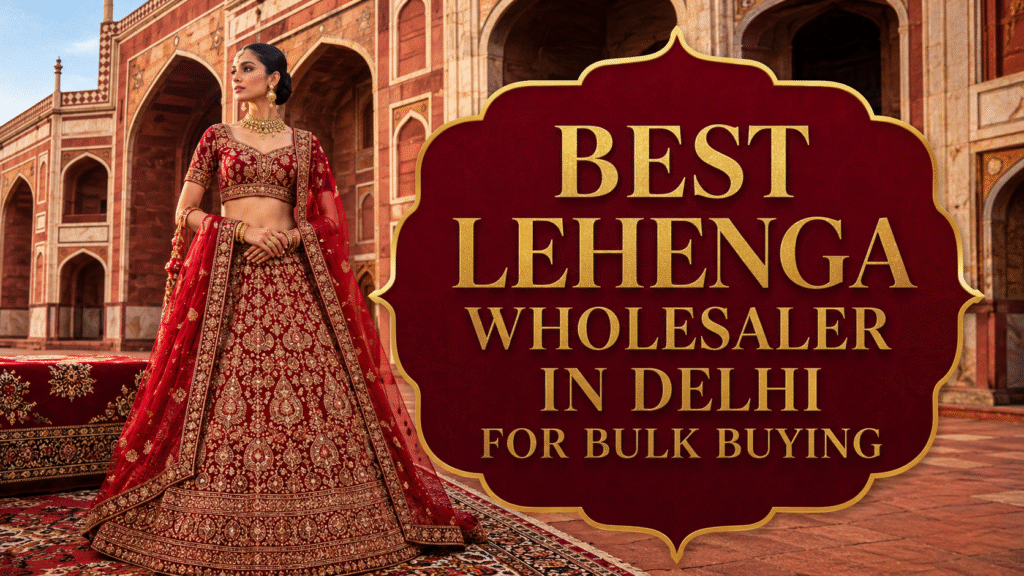
Delhi is also a major destination for buyers searching for a lehenga wholesale market in Delhi. Bridal lehengas, engagement outfits, wedding guest dresses and festive lehenga collections are available in a wide range of styles and price segments.
When sourcing lehengas, retailers should pay attention to embroidery quality, fabric, lining, blouse finishing and the overall fall of the garment. Bridal customers usually expect detailed finishing, so quality becomes especially important in this category.
What Lehenga Buyers Should Check
- Embroidery and embellishment quality
- Fabric and inner lining
- Blouse stitching and finishing
- Lehenga flare and fall
- Dupatta quality and detailing
- Size availability and customization options
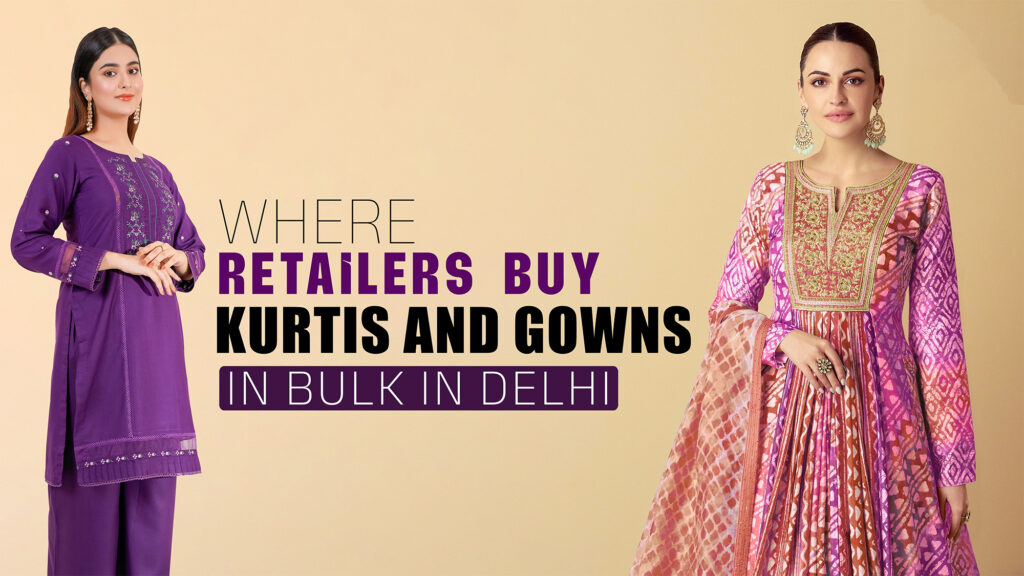
Kurti Wholesale Market Delhi: A Popular Choice for Retailers
The demand for kurtis has grown because they can be sold as everyday wear as well as office, festive and casual fashion. This makes the kurti wholesale market in Delhi an important sourcing destination for boutiques and clothing retailers.
When buying kurtis wholesale, retailers should focus on comfortable fabrics, attractive prints, current silhouettes and practical sizing. A good wholesale collection should offer variety rather than repeating similar designs.
Ajmera Chandni Chowk can be a useful sourcing option for retailers looking to build an ethnic wear collection that combines traditional styling with current fashion preferences.
Ajmera Chandni Chowk for Ethnic Wear Wholesale
Ajmera Chandni Chowk operates from one of Delhi’s best-known textile trading areas and focuses on ethnic fashion collections for wholesale buyers. The brand is positioned to serve retailers, boutique owners and businesses looking for quality ethnic wear for their stores.
The collection can be particularly relevant for buyers looking for sarees, lehengas, kurtis and other ethnic wear categories. Instead of depending on a single product type, retailers can explore multiple categories based on their target customers.
For a retailer, having a dependable wholesale supplier can make stock planning easier. Regular access to new designs also helps businesses refresh their collections according to seasonal and festive demand.
How to Buy from the Delhi Textile Market
Buying from a wholesale textile market is easier when you have a clear plan. Before visiting Delhi, decide what categories you need, your approximate budget and the type of customers you serve.
1. Decide Your Product Category
Start by deciding whether you are looking for sarees, lehengas, kurtis or a combination of ethnic wear categories. This helps you use your time more efficiently.
2. Understand Your Budget
Wholesale collections can range from affordable everyday products to premium bridal wear. Having a budget range helps you compare products more effectively.
3. Compare Quality, Not Just Price
The cheapest product is not always the most profitable product. Retailers should compare fabric, craftsmanship, finishing and expected selling price before making a purchase decision.
4. Ask About Wholesale Orders
Before finalising a supplier, understand the minimum order requirements, available sizes, dispatch process and payment terms. Clear communication can prevent problems after the order is placed.
5. Choose Products According to Your Customers
A successful retailer does not simply buy what looks attractive in the wholesale market. The better approach is to select products based on local demand, customer age groups, spending capacity and seasonal requirements.
What Should Retailers Check Before Choosing a Textile Wholesaler?
A reliable textile wholesaler should provide consistent product quality, clear communication and dependable order handling. Retailers should look beyond the first order and consider whether the supplier can support their business over the long term.
- Product quality and finishing
- Design variety
- Wholesale pricing
- Order quantity requirements
- Availability of new collections
- Packaging and dispatch process
- Communication and after-sales support
Best Time to Source Ethnic Wear from Delhi
There is no single best month for every retailer because buying requirements depend on the target market. However, festive and wedding seasons generally create higher demand for ethnic wear, so retailers should plan their stock before their local peak season begins.
For example, a retailer selling wedding collections should not wait until the beginning of the wedding season to start sourcing. Early purchasing provides more time to compare designs, arrange inventory and prepare the store.
Why Wholesale Sourcing from Delhi Can Help Retail Businesses
Wholesale sourcing from Delhi gives retailers access to a much wider product ecosystem than they may find in smaller local markets. It can also help businesses experiment with new categories without depending on several different suppliers.
For boutique owners, the right wholesale partner can become an important part of their business strategy. A supplier who understands changing fashion demand can help retailers maintain a fresh and competitive collection.
Conclusion
The Delhi textile market continues to be an important destination for retailers and fashion businesses looking for sarees, lehengas, kurtis and other ethnic wear. Chandni Chowk, in particular, offers a strong combination of product variety, wholesale trading and experienced textile businesses.
For buyers planning to source ethnic wear from Delhi, the key is to look beyond price. Product quality, design variety, supplier reliability and customer demand should all be considered before placing an order.
Ajmera Chandni Chowk offers retailers and wholesale buyers an opportunity to explore ethnic wear collections from the heart of Delhi’s established textile market.
Frequently Asked Questions About the Delhi Textile Market
1. Which is the best textile market in Delhi for ethnic wear?
Chandni Chowk is one of the most recognised destinations for ethnic wear wholesale in Delhi. Buyers can find sarees, lehengas, kurtis, suits and other traditional clothing through its extensive wholesale network.
2. Where can I buy sarees wholesale in Delhi?
Chandni Chowk is a popular destination for wholesale sarees in Delhi. Buyers can compare different fabrics, designs and price ranges and select collections according to their retail customer base.
3. Where can I buy lehengas wholesale in Delhi?
Chandni Chowk is widely known for bridal and festive ethnic wear, including lehengas. Buyers should compare embroidery, fabric, finishing and pricing before selecting a wholesale supplier.
4. Is Delhi good for wholesale kurti buying?
Yes. Delhi has a large wholesale clothing ecosystem, and Chandni Chowk is an important sourcing destination for kurtis and other ethnic wear. Retailers can find different styles and price segments for their stores.
5. Can boutique owners buy ethnic wear from Chandni Chowk?
Yes. Boutique owners regularly source ethnic wear from wholesale markets such as Chandni Chowk. The wide selection allows boutiques to choose products according to their customer profile and pricing strategy.
6. What should I check before buying wholesale sarees?
Check fabric quality, embroidery or print finishing, stitching, colour, border quality and overall presentation. Retailers should also consider whether the saree matches the preferences and spending range of their customers.
7. What should I check when buying wholesale lehengas?
Lehenga buyers should inspect embroidery, fabric, blouse construction, lining, dupatta quality and finishing. For bridal collections, detailed craftsmanship is particularly important because customers generally expect premium finishing.
8. Is Chandni Chowk suitable for bulk ethnic wear orders?
Yes. Chandni Chowk has a strong wholesale ecosystem and is suitable for retailers, boutiques and other businesses purchasing ethnic wear in larger quantities. Order requirements can vary between individual suppliers.
9. How can I choose the right textile wholesaler in Delhi?
Compare product quality, wholesale prices, design variety, order requirements, communication and supply reliability. A supplier should be evaluated not only for the first purchase but also for its ability to support regular business requirements.
10. How can I contact Ajmera Chandni Chowk for wholesale ethnic wear?
You can contact Ajmera Chandni Chowk to discuss ethnic wear wholesale requirements, product categories and sourcing needs. The team can be reached using the contact details provided below.
Contact Ajmera Chandni Chowk
If you are a retailer, boutique owner or wholesale buyer looking for sarees, lehengas, kurtis or other ethnic wear collections from Delhi, get in touch with Ajmera Chandni Chowk.
Phone: +91 98111 01484
Email: info@ajmerachandnichowk.com
Address: 4310 Jogiwara Gali Bhairov Wali, Nai Sarak, Chandni Chowk, Delhi, 110006