

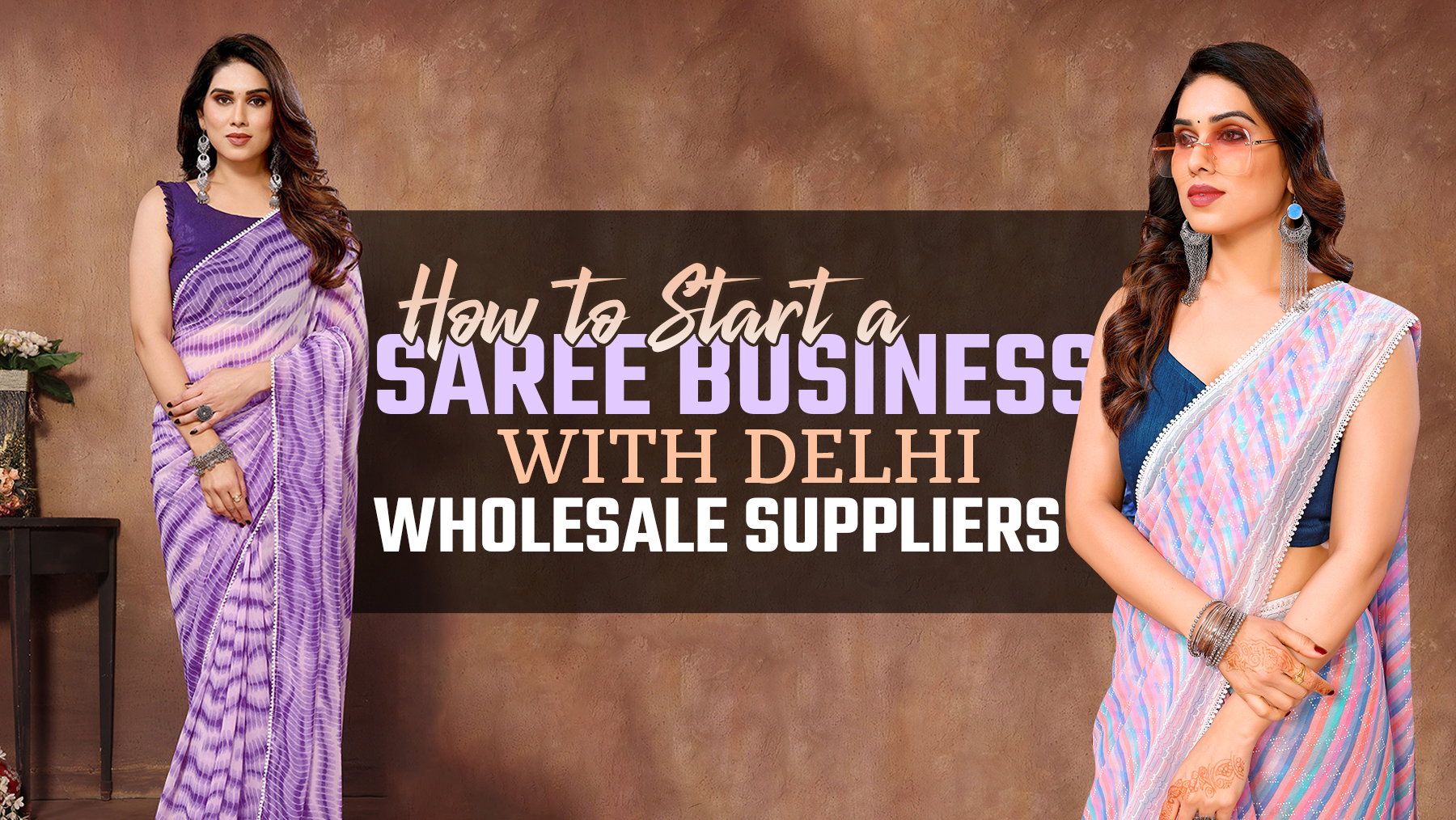
Learning how to start a saree business becomes much easier when you have a clear product strategy, a reliable wholesale supplier, and a practical plan for selling your collection. Sarees continue to be an important part of Indian fashion, with demand coming from weddings, festivals, religious occasions, office wear, gifting, and everyday use.
For a new entrepreneur, one of the most important decisions is where to source sarees. Delhi, particularly Chandni Chowk, is one of the most established fashion markets in India. It gives retailers and boutique owners access to a wide range of ethnic wear and suppliers in one location.
Recent industry guides estimate that the Indian saree market was valued at around USD 6.15 billion in 2025, showing the scale of the opportunity for businesses entering this category. However, market size alone does not guarantee success. Your product selection, buying price, quality, inventory management, and customer acquisition strategy will determine how profitable your business becomes. Recent industry research also highlights the importance of selecting the right saree category and supplier before investing heavily in inventory.
Why Start a Saree Business in India?
A saree business can be started on different scales. You can begin as a home-based reseller, sell through WhatsApp and Instagram, open a boutique, or build a full retail store. This flexibility makes sarees an interesting category for both first-time entrepreneurs and experienced fashion retailers.
The biggest advantage is product variety. A retailer can sell affordable daily-wear sarees, festive collections, designer sarees, wedding sarees, silk-inspired collections, printed sarees, and premium occasion wear. This allows you to target different customer segments instead of depending on one type of buyer.
Industry guidance also suggests that startup investment varies significantly depending on the business model. A small home-based operation can begin with comparatively low inventory, while a physical showroom requires additional spending on rent, interiors, staff, marketing, and working capital. A recent 2026 business guide estimates that a saree and ethnic-wear retail setup can require approximately ₹5 lakh to ₹25 lakh depending on the scale and inventory depth.
How to Start a Saree Business Step by Step
1. Decide Your Saree Business Model
Before contacting Delhi wholesale saree suppliers, decide how you want to sell. Your business model will determine how much inventory you need and what type of sarees you should purchase.
- Home-based reseller: Suitable for testing the market with limited investment.
- Online saree store: Sell through Instagram, WhatsApp, marketplaces, or your own website.
- Boutique: Focus on curated collections and a specific customer segment.
- Retail showroom: Maintain a larger inventory and serve customers through a physical location.
- Wholesale business: Purchase larger quantities and supply other retailers or resellers.
Do not try to target everyone in the beginning. A focused collection is usually easier to manage than hundreds of unrelated designs.
2. Choose Your Saree Category
The next step is deciding which products you want to sell. Different customers have different expectations regarding price, fabric, design, colour, and occasion.
Your initial collection could include daily wear sarees, printed sarees, festive sarees, designer sarees, partywear sarees, silk sarees, or premium occasion collections.
If your customers are price-sensitive, focus on affordable designs with attractive colours and wearable fabrics. If you are targeting boutique customers, a smaller collection of distinctive and premium-looking designs may work better.
3. Find Reliable Delhi Wholesale Saree Suppliers
Finding the right saree wholesalers in Delhi is one of the most important parts of starting the business. A supplier should not be judged only by the lowest price. Product quality, consistency, availability, delivery, communication, and replacement policies can have a much bigger impact on your long-term business.
When comparing a wholesale saree supplier, ask about:
- Wholesale pricing
- Minimum order quantity
- Fabric and product quality
- Available saree categories
- New collection frequency
- Bulk-order availability
- Dispatch and delivery timelines
- Defective-product replacement policy
- Payment terms
Always inspect samples before placing a large order. Check the fabric, colour, embroidery, borders, finishing, blouse piece where applicable, packaging, and overall presentation.
Why Consider Chandni Chowk for Wholesale Sarees?
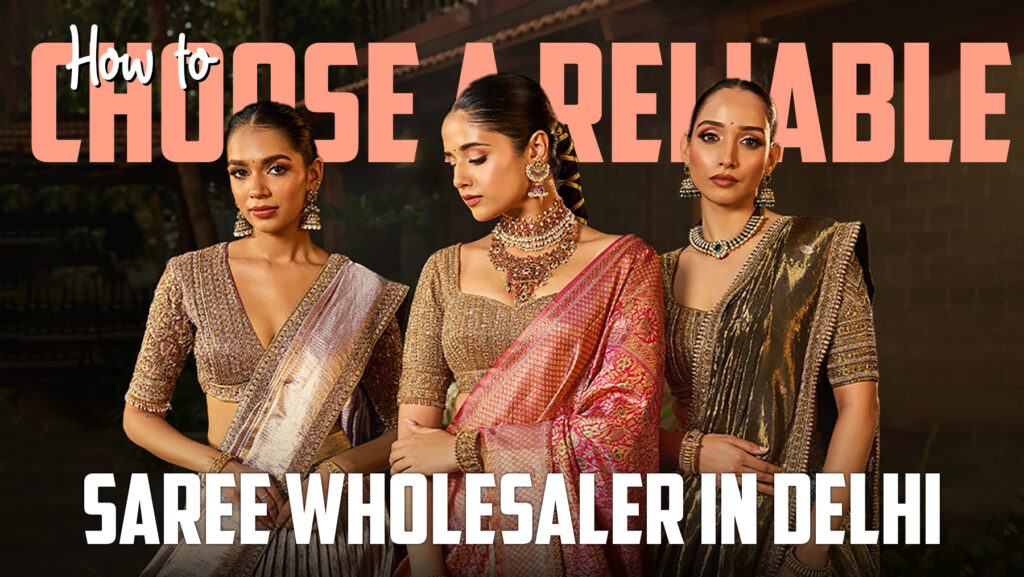
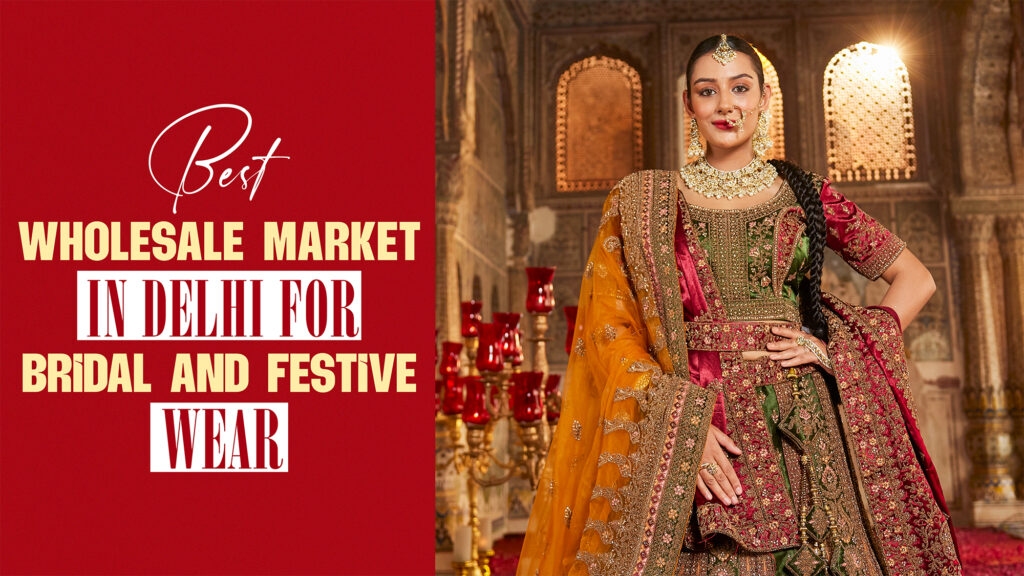
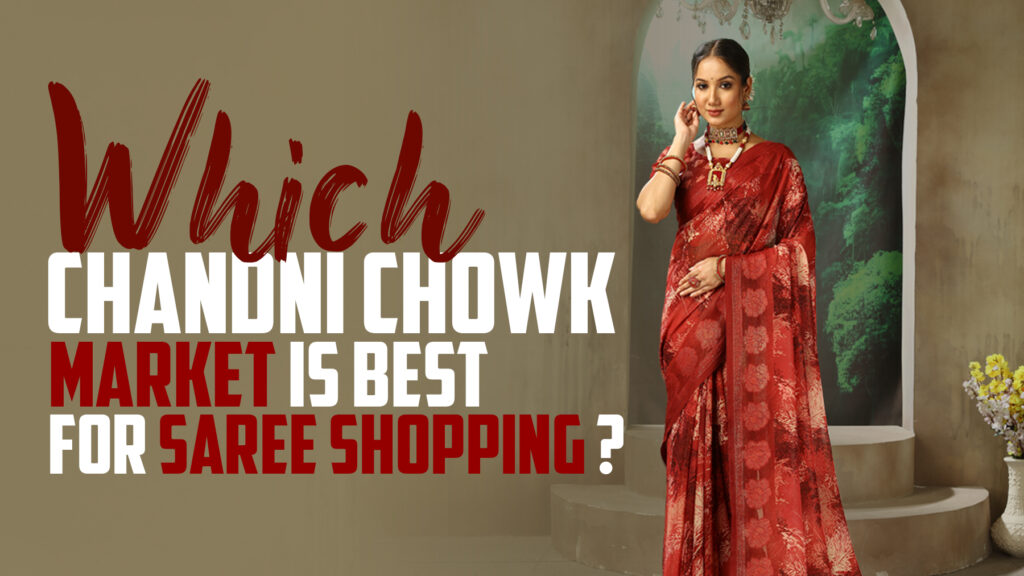
Chandni Chowk has long been associated with Delhi’s textile and ethnic fashion trade. For retailers looking for wholesale sarees in Chandni Chowk, the biggest advantage is variety. Buyers can compare multiple collections and understand current market trends while sourcing their inventory.
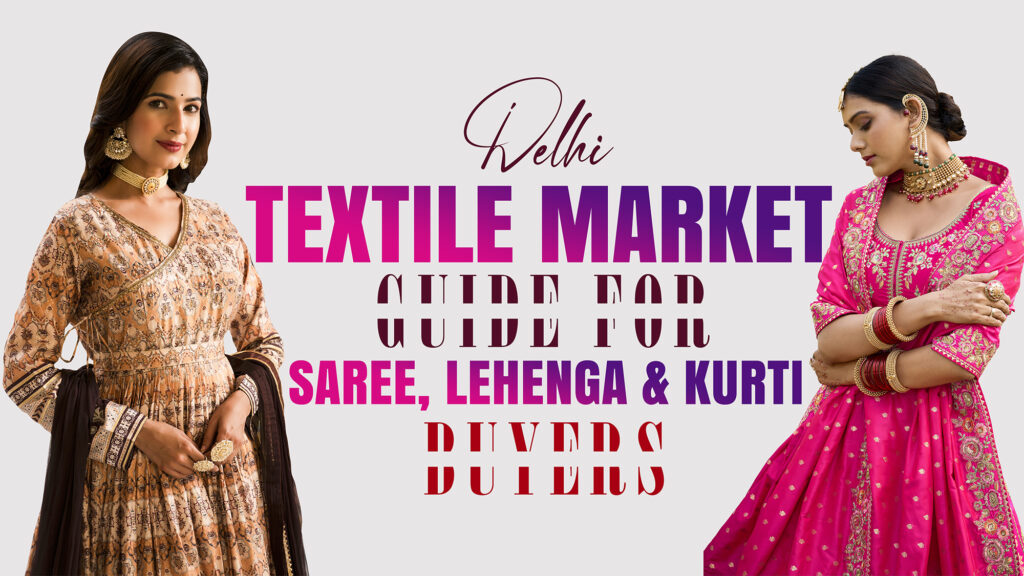
The market is particularly useful for entrepreneurs who want to build an ethnic-wear-focused business. Along with sarees, retailers can explore lehengas, suits, kurtis, gowns, and other products that can eventually expand their product range.
Ajmera Chandni Chowk is positioned in this ecosystem with sarees and other women’s ethnic-wear collections. The company’s website describes its saree offering as combining traditional craftsmanship with contemporary designs, while also highlighting in-house production and quality-control processes.
How Much Investment Is Required for a Saree Business?
There is no single investment amount that applies to every saree business. Your budget depends on whether you operate from home, sell online, open a boutique, or establish a full showroom.
As a practical starting point, divide your budget into five areas:
- Inventory: Your largest initial expense.
- Marketing: Instagram, WhatsApp, advertising, photography, and content.
- Packaging: Bags, boxes, labels, and shipping materials.
- Business operations: Billing, website, staff, rent, and utilities.
- Working capital: Money reserved for reordering fast-moving designs and managing expenses.
Do not put your entire budget into stock. Keeping working capital available allows you to reorder products that actually sell instead of being stuck with slow-moving inventory.
How to Select Sarees That Actually Sell
One common mistake new retailers make is buying products based only on personal preference. Your customers should determine your collection.
Start by studying your local market. Visit competing stores, monitor Instagram fashion pages, check online marketplaces, and speak to potential customers. Identify the colours, fabrics, price points, and styles that are receiving attention.
A useful starting strategy is to divide your inventory into three levels:
- Fast-moving products: Affordable designs for regular sales.
- Mid-range products: Better detailing and suitable for festive occasions.
- Premium products: Higher-value pieces for weddings and special occasions.
This gives customers choices while reducing your dependence on a single price category.
How to Price Sarees for Profit
Buying at wholesale price does not automatically mean you will make a profit. Your selling price needs to cover the purchase cost and operating expenses while remaining competitive in your market.
Calculate the complete cost of every product, including purchase price, transportation, packaging, payment charges, alterations if applicable, discounts, and marketing expenses.
For example, if a saree costs ₹1,000 from your supplier and your additional costs are ₹100, your actual cost is ₹1,100. Your selling price should be decided after considering your desired gross margin and the prices customers are willing to pay.
Margins can vary considerably by category, brand positioning, quality, and customer segment. Therefore, avoid promising customers or business partners a fixed profit percentage without considering the complete cost structure.
How to Sell Sarees Online
Modern saree businesses do not have to depend entirely on a physical shop. Instagram, WhatsApp, Facebook, marketplaces, and an independent website can help retailers reach customers beyond their local area.
For online selling, product presentation is extremely important. Use clear photographs, short videos, fabric details, measurements, available colours, pricing, and delivery information.
Video content can be especially useful for sarees because customers want to understand how the fabric falls, how the embroidery looks in movement, and how the complete outfit appears when worn.
Why Choose Ajmera Chandni Chowk as a Sourcing Partner?
For retailers and entrepreneurs searching for a saree supplier in Chandni Chowk, Ajmera Chandni Chowk offers access to sarees along with a broader ethnic-wear collection. Its current online catalogue includes sarees as well as lehengas and other women’s ethnic-wear categories.
The brand also states that it provides wholesale-price collections and serves retailers and resellers across India. Its location at 4310 Jogiwara Gali Bhairov Wali, Nai Sarak, Chandni Chowk makes it convenient for buyers specifically looking to source ethnic wear from the Delhi market.
For a new business owner, the advantage is not simply finding products. The goal should be building a repeatable sourcing relationship where you can identify good-selling designs, reorder efficiently, and gradually expand your collection.
Common Mistakes to Avoid When Starting a Saree Business
Avoid purchasing a large quantity before understanding your customers. Do not select a supplier purely because their quotation is cheaper. Also avoid keeping too many product categories at the beginning.
Another common mistake is ignoring cash flow. A business can show good sales and still struggle if too much money remains locked in unsold inventory.
- Do not overstock untested designs.
- Do not ignore fabric and finishing quality.
- Do not compete only on the lowest price.
- Do not depend on one supplier if your business is growing.
- Track which designs sell and reorder accordingly.
- Keep separate records for purchases, sales, expenses, and inventory.
Final Thoughts
Knowing how to start a saree business is only the first step. Long-term success comes from choosing the right niche, sourcing quality products, maintaining healthy margins, understanding customers, and consistently bringing fresh collections to the market.
Delhi’s wholesale ecosystem, particularly Chandni Chowk, can be a valuable sourcing destination for retailers and entrepreneurs who want to build a saree or ethnic-wear business. By starting with a manageable collection and working with a dependable supplier such as Ajmera Chandni Chowk, you can test demand, learn what sells, and scale your business step by step.
Frequently Asked Questions About Starting a Saree Business
1. How much money do I need to start a saree business?
The investment depends on your business model. A home-based or online reseller can start with a relatively small inventory, while a boutique or showroom requires substantially more capital. Recent business guides place small home-based setups around ₹30,000–₹60,000 and online stores around ₹80,000–₹1.5 lakh, but actual costs vary by inventory and location.
2. Where can I buy sarees wholesale in Delhi?
Chandni Chowk is one of Delhi’s established ethnic-wear sourcing markets. Buyers can compare saree wholesalers, collections, prices, quality, and categories in the area. Ajmera Chandni Chowk is located at 4310 Jogiwara Gali Bhairov Wali, Nai Sarak, Chandni Chowk, Delhi.
3. Is Chandni Chowk good for starting a saree business?
Yes. Chandni Chowk can be useful because of its established textile ecosystem and broad ethnic-wear selection. It allows retailers to explore multiple product categories and compare collections before deciding where to source their inventory.
4. What type of sarees should a new retailer buy?
A new retailer should choose products according to local customer demand rather than personal preference. A balanced collection can include affordable daily-wear options, mid-range festive sarees, and selected premium designs for weddings and special occasions.
5. How do I find a reliable wholesale saree supplier?
Compare suppliers based on product quality, pricing, minimum order quantity, collection variety, dispatch timelines, communication, and replacement policies. Before placing a large order, purchase or inspect samples and verify the supplier’s ability to maintain consistent quality.
6. Can I start a saree business from home?
Yes. A home-based saree business can operate through WhatsApp, Instagram, personal networks, exhibitions, and online marketplaces. Starting with a limited inventory can help you test customer demand before investing in a physical store.
7. Can I sell wholesale sarees online?
Yes. Wholesale saree sellers can use websites, WhatsApp, Instagram, Facebook, B2B platforms, and direct retailer networks. For online B2B selling, clear product specifications, pricing, minimum order requirements, shipping details, and reliable communication are important.
8. How many sarees should I buy when starting?
There is no universal number because it depends on your budget and selling model. Instead of buying a very large quantity, start with a focused assortment across a few carefully selected categories. Reorder designs that generate genuine customer demand.
9. Is the saree business profitable?
A saree business can be profitable, but profitability depends on sourcing cost, selling price, inventory turnover, operating expenses, and customer demand. Higher margins on individual products do not guarantee higher profits if products remain unsold for long periods.
10. How can I contact Ajmera Chandni Chowk for saree sourcing?
You can contact Ajmera Chandni Chowk directly for product and sourcing enquiries. The store is located at 4310 Jogiwara Gali Bhairov Wali, Nai Sarak, Chandni Chowk, Delhi, 110006. You can call +91 98111 01484 or email info@ajmerachandnichowk.com. The official contact page also provides these details.
Get In Touch
If you are planning to start a saree business and are looking for saree collections or wholesale sourcing assistance in Delhi, connect with Ajmera Chandni Chowk.
Phone: +91 98111 01484
Email: info@ajmerachandnichowk.com
Address: 4310 Jogiwara Gali Bhairov Wali, Nai Sarak, Chandni Chowk, Delhi, 110006
Visit Ajmera Chandni Chowk to explore sarees and ethnic-wear collections for your retail, boutique, or resale business.