

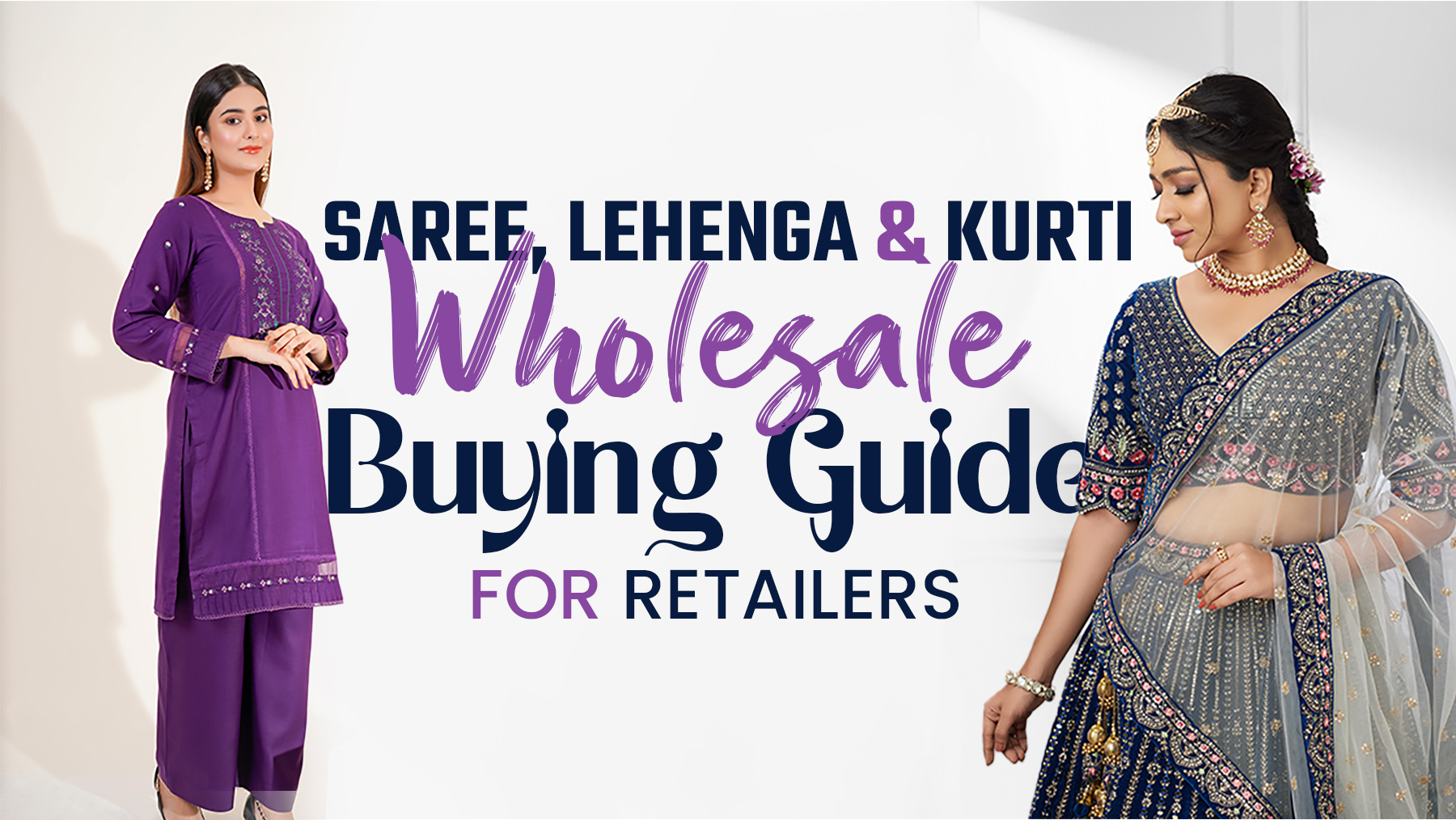
For a fashion retailer, buying the right collection at the right wholesale price can make a major difference to business growth. Customers today want variety, fresh designs, good quality, and competitive prices. This is why choosing the right saree, lehenga and kurti wholesale supplier is one of the most important decisions for a boutique, clothing store, reseller, or ethnic wear retailer.
Delhi’s Chandni Chowk is one of India’s well-known destinations for ethnic fashion sourcing. Retailers from different cities visit the market to explore sarees, bridal lehengas, designer kurtis, suits, and other traditional outfits. Among the established names in this market, Ajmera Chandni Chowk focuses on providing ethnic wear collections suitable for retailers looking for quality, variety, and wholesale sourcing.
This guide explains what retailers should check before purchasing wholesale ethnic wear and how to build a collection that actually works for their customers.
Why Is Wholesale Buying Important for Retailers?
Wholesale buying allows retailers to purchase products in larger quantities at better per-unit prices. However, wholesale purchasing is not simply about finding the cheapest supplier. The real objective is to find the right balance between quality, price, design, demand, and consistency of supply.
A retailer who purchases a low-cost collection without checking fabric, finishing, sizing, or current demand may struggle to sell the stock. On the other hand, a well-planned wholesale purchase can provide better margins and a stronger product selection.
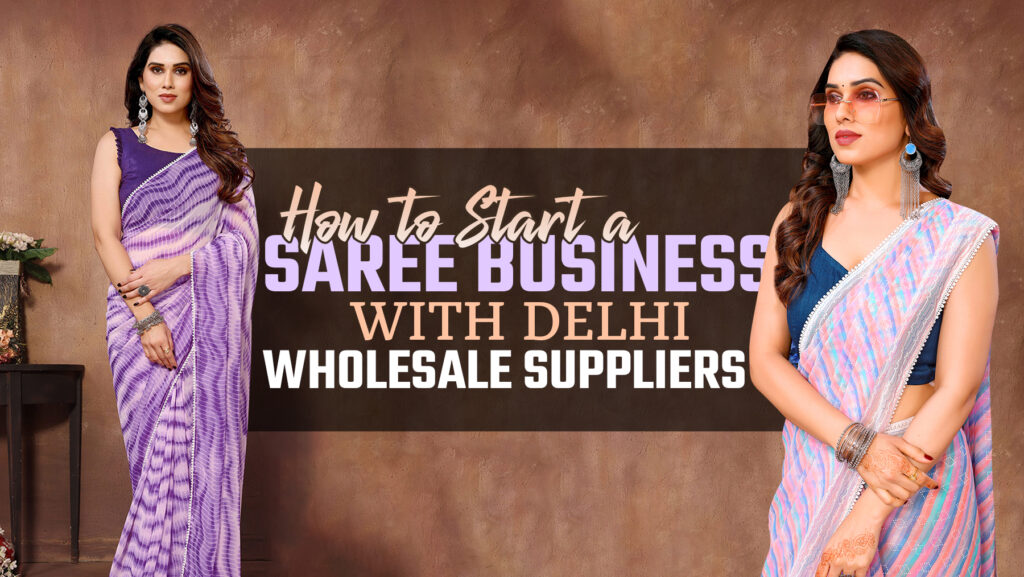
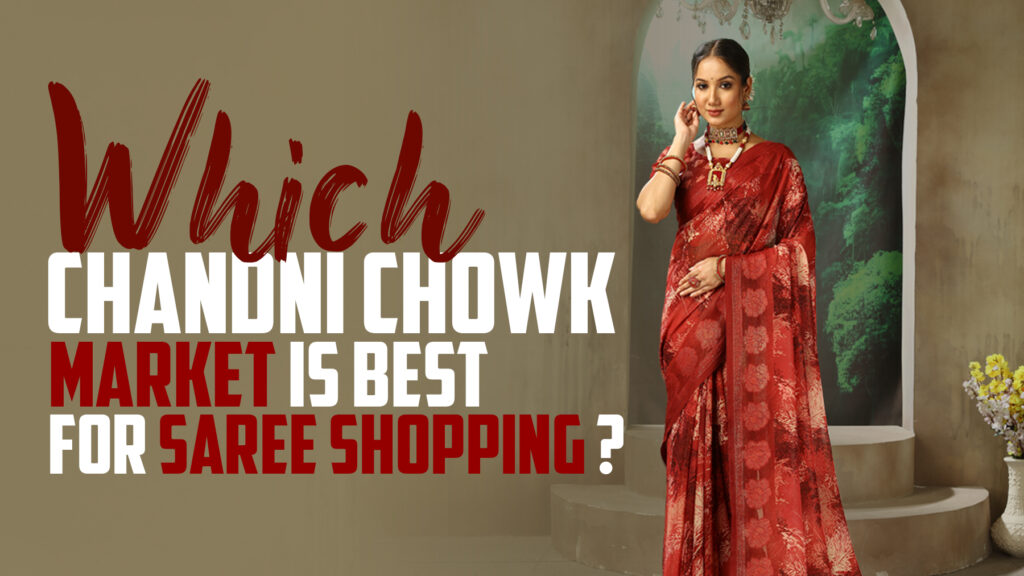
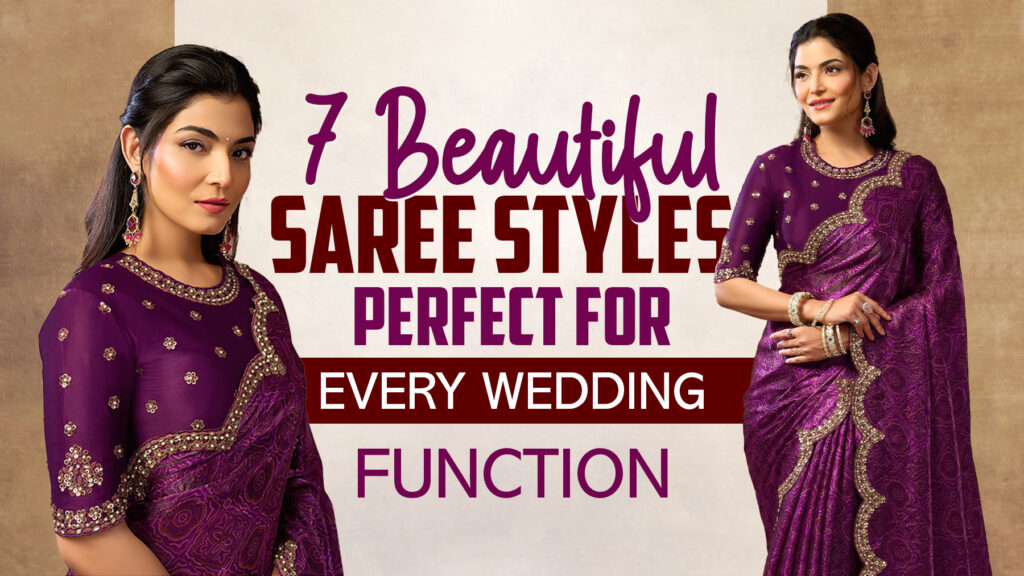
How to Choose a Saree Wholesale Supplier in Delhi?
When buying sarees wholesale, retailers should evaluate the supplier beyond the quoted price. A reliable saree wholesale supplier should offer consistent quality, a useful range of designs, proper finishing, and dependable order handling.
Before placing a large order, check the following:
- Fabric quality and feel
- Print, embroidery, zari, or embellishment finishing
- Blouse piece and overall saree length where applicable
- Colour consistency between pieces
- Packaging quality
- Wholesale pricing and quantity requirements
- Availability of repeat designs or similar collections
For retailers, having multiple price segments is also important. Your store may need affordable everyday sarees as well as premium festive and wedding collections.
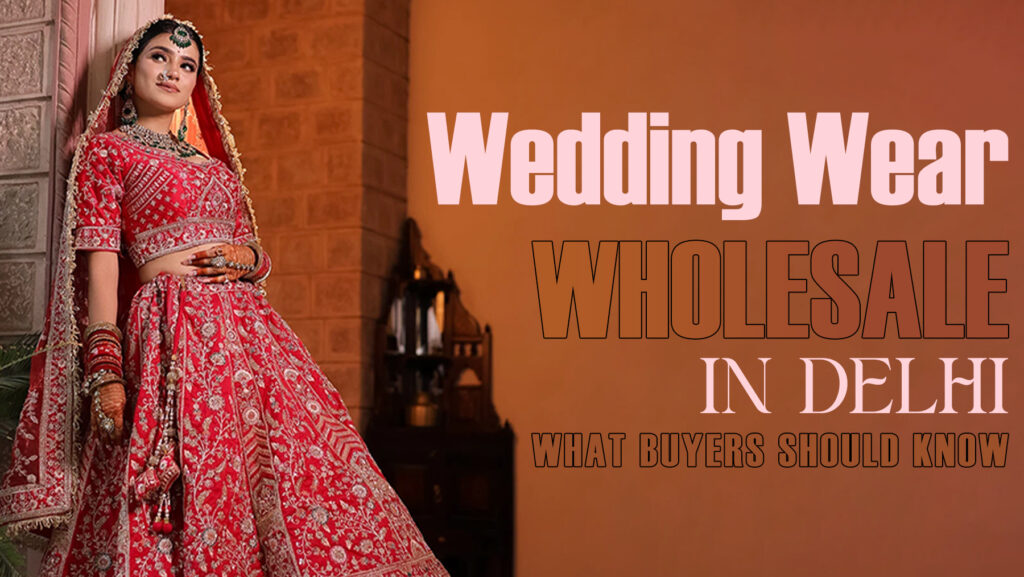
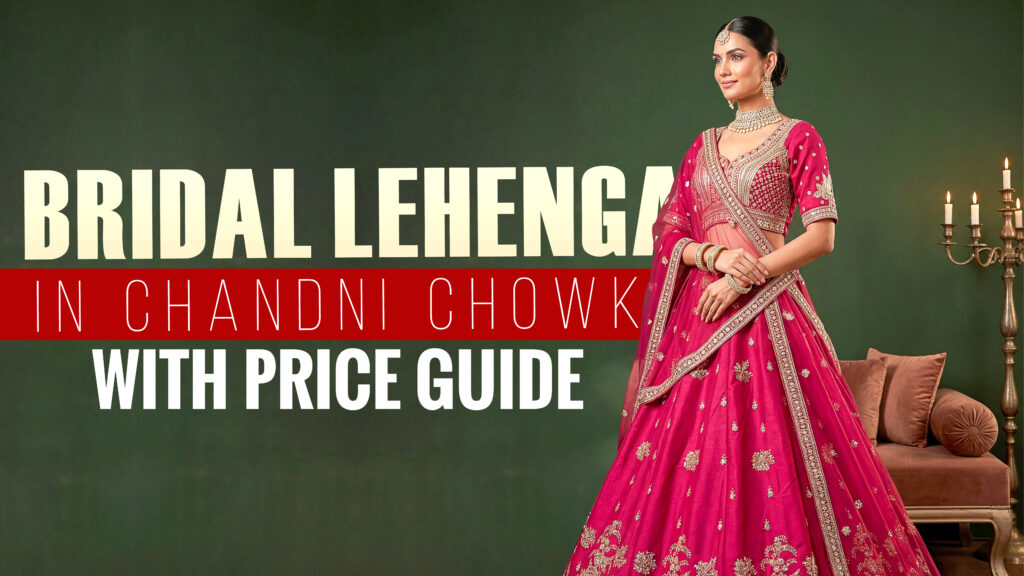
What Should Retailers Check When Buying Lehenga Wholesale?
Lehenga wholesale buying requires more attention because bridal and occasion-wear customers are often highly particular about design, embroidery, fabric, fit, and finishing. A lehenga that looks attractive in a catalogue may not always meet the customer’s expectations when seen physically.
Retailers should inspect the embroidery work, stitching, lining, blouse construction, dupatta quality, embellishments, and overall finishing before committing to a large order.
Choose Lehengas According to Your Customer Base
A retailer in a wedding-focused market may require more bridal lehengas, while a boutique located in an urban market may sell more lightweight party-wear and contemporary designs.
Instead of buying every style available, identify what your customers actually purchase. A balanced collection can include bridal, engagement, festive, wedding guest, and party-wear lehengas across different price points.
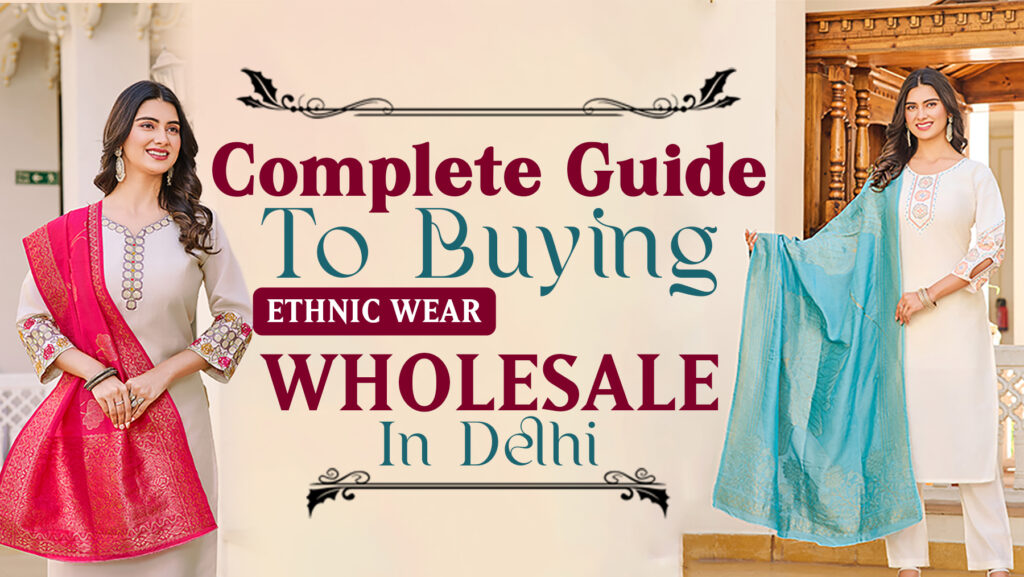
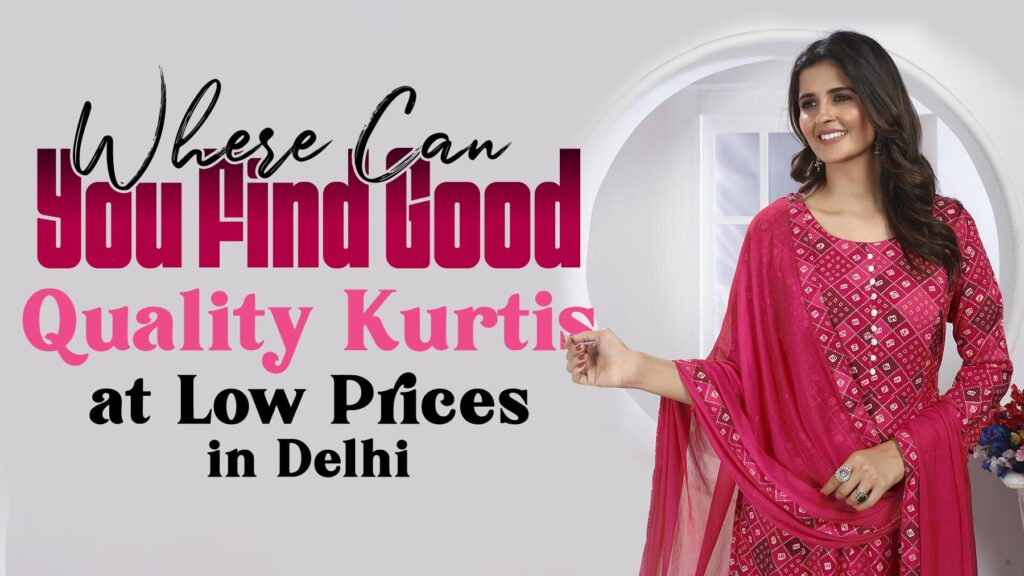
How to Buy Kurtis Wholesale for a Retail Store?
Kurti wholesale purchasing is generally driven by variety. Customers may look for different lengths, silhouettes, fabrics, prints, colours, and occasions. Retailers should therefore avoid filling the entire inventory with similar designs.
Depending on your target customers, you can consider straight kurtis, A-line styles, Anarkali-inspired designs, embroidered kurtis, printed collections, festive styles, and contemporary ethnic designs.
When selecting a kurti wholesale supplier, also pay attention to sizing. A good-looking collection can still create problems if the available sizes do not match your customer demand.
What Is the Best Way to Plan a Wholesale Ethnic Wear Collection?
The best approach is to divide your buying budget across different product categories and price ranges instead of investing everything in one collection.
For example, a retailer can divide inventory into:
- Everyday Collection: Products suitable for regular customers and repeat purchases.
- Festive Collection: Designs suitable for festivals and family functions.
- Wedding Collection: Sarees, lehengas and ethnic outfits for wedding-related occasions.
- Premium Collection: Higher-value products aimed at customers looking for detailed designs and premium finishing.
This approach can help retailers serve customers with different budgets without making the store look repetitive.
How Can Retailers Compare Wholesale Prices?
Price comparison should never be based only on the product’s basic wholesale rate. Retailers should calculate the actual landed cost, including transportation, packaging, taxes where applicable, and other business expenses.
More importantly, compare products on a like-for-like basis. A heavily embroidered lehenga should not be directly compared with a lightweight party-wear lehenga simply because both are labelled as lehengas.
The right question is not always “Which supplier is cheapest?” It is “Which supplier gives me the best combination of product quality, wholesale price, sellability, and reliability?”
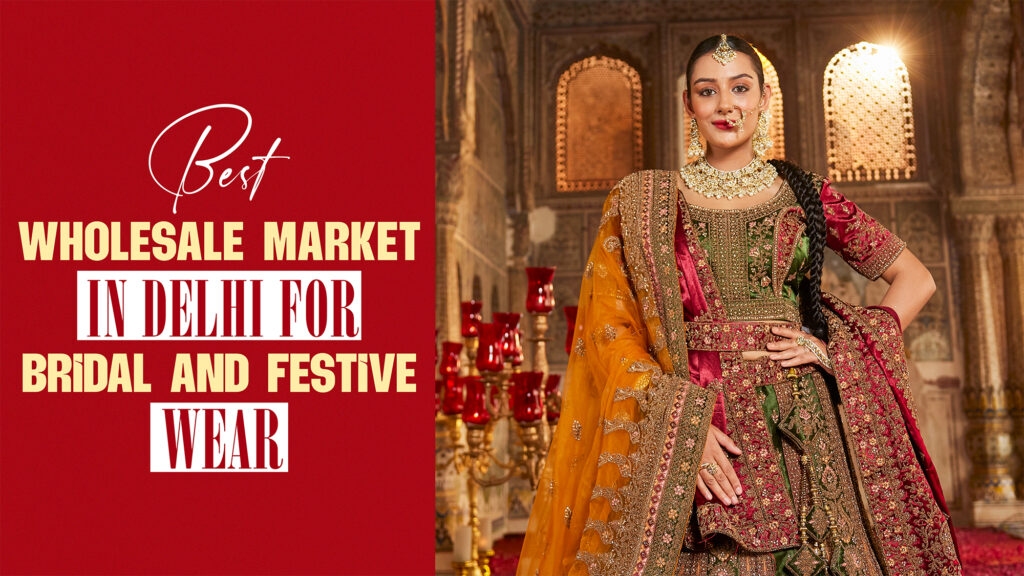
Why Chandni Chowk Is Popular for Ethnic Wear Wholesale
Chandni Chowk has long been associated with textiles, traditional clothing, wedding shopping, and wholesale fashion. Its large concentration of clothing businesses gives retailers an opportunity to explore multiple product categories in one major sourcing destination.
For buyers searching for a saree wholesale market in Delhi, lehenga wholesale Chandni Chowk, or kurti wholesale Delhi, the area remains an important destination because of its broad ethnic wear ecosystem.
For a retailer, the biggest advantage is variety. Instead of depending on one type of product, buyers can explore multiple categories and build a more complete ethnic wear collection.
Why Retailers Choose Ajmera Chandni Chowk
Ajmera Chandni Chowk caters to retailers and businesses looking for ethnic wear wholesale collections. The focus is on combining traditional Indian fashion with designs that are relevant to today’s retail market.
For retailers, a wholesale partner needs to be more than a seller. Consistent product quality, collection variety, communication, order handling, and dependable business relationships are important when building long-term sourcing arrangements.
Retailers can explore collections across sarees, lehengas, kurtis, and other ethnic wear categories according to their business requirements.
Common Mistakes Retailers Should Avoid in Wholesale Buying
Many retailers make the mistake of buying large quantities simply because a product appears attractive or the supplier offers a low price. This can result in slow-moving inventory.
Some common mistakes include:
- Buying too much of one design
- Ignoring customer preferences
- Choosing price over quality
- Not checking finishing before bulk purchasing
- Ignoring size requirements
- Not planning seasonal demand
- Failing to maintain different price segments
A smarter strategy is to test collections, track sales, identify fast-moving designs, and then increase purchases based on actual customer response.
How Much Wholesale Stock Should a Retailer Buy?
There is no single quantity that works for every retailer. The right purchase volume depends on store size, customer traffic, selling capacity, available working capital, and product category.
New retailers should generally avoid putting too much capital into untested designs. Established retailers with reliable sales data can purchase larger quantities of proven collections.
How to Build a Profitable Ethnic Wear Inventory?
A profitable inventory is not necessarily the one with the highest number of products. It is the inventory where products have a clear reason to be stocked.
Track which sarees receive enquiries, which lehenga styles generate sales, which kurti sizes move quickly, and which price ranges perform best. Over time, this information becomes valuable for future wholesale purchasing decisions.
Retailers should also refresh their collections regularly. Fashion changes quickly, particularly in wedding and festive wear, so keeping the inventory updated can help maintain customer interest.
Final Thoughts
Buying saree, lehenga and kurti wholesale is a business decision that requires more than comparing prices. Retailers need to consider quality, design, customer demand, pricing, sizing, supplier reliability, and inventory planning.
Chandni Chowk continues to be an important destination for ethnic wear sourcing in Delhi, giving retailers access to a wide range of traditional and contemporary collections. For businesses looking for a dependable ethnic wear wholesale partner, Ajmera Chandni Chowk can be considered as part of their sourcing strategy.
The key is simple: buy according to your customers, test collections carefully, maintain product variety, and build long-term relationships with reliable wholesale suppliers.
Frequently Asked Questions
1. Where can retailers buy sarees, lehengas and kurtis wholesale in Delhi?
Chandni Chowk is one of the major ethnic wear sourcing markets in Delhi. Retailers can explore sarees, lehengas, kurtis, suits and other traditional clothing through different wholesalers and manufacturers, including Ajmera Chandni Chowk.
2. Is Chandni Chowk good for lehenga wholesale buying?
Yes. Chandni Chowk is a popular destination for bridal and occasion-wear shopping. Retailers can explore different lehenga styles, fabrics, embroidery levels and price segments based on their customer requirements.
3. How should I choose a saree wholesale supplier?
Compare suppliers based on fabric quality, finishing, design variety, pricing, order consistency and customer service. It is better to evaluate the complete product value rather than selecting a supplier only because of the lowest price.
4. What should I check before buying lehengas wholesale?
Check embroidery, stitching, fabric, lining, blouse construction, dupatta quality, embellishments and overall finishing. Retailers should also consider whether the design matches their local customer preferences and expected selling price.
5. Is buying kurtis wholesale profitable for retailers?
Kurtis can be an important category for ethnic and fashion retailers because customers have varied requirements across designs, fabrics, sizes and price ranges. Profitability depends on purchase price, product quality, customer demand and effective inventory management.
6. Can small boutiques buy ethnic wear wholesale?
Yes. Small boutiques can source wholesale ethnic wear, but they should plan purchases according to their working capital and sales capacity. Starting with carefully selected collections can reduce the risk of excess or slow-moving inventory.
7. Should retailers buy all ethnic wear products from one supplier?
Not necessarily. A retailer can work with multiple suppliers if different businesses provide stronger collections in different categories. However, maintaining reliable long-term supplier relationships can make repeat purchasing and order management easier.
8. How can retailers avoid dead stock when buying wholesale?
Retailers can reduce dead-stock risk by studying previous sales, understanding customer preferences, testing new designs in smaller quantities and avoiding excessive purchases of untested products. Regular inventory reviews also help identify slow-moving stock.
9. What ethnic wear categories should a new retailer stock?
A new retailer can consider a balanced mix of sarees, kurtis, lehengas and other ethnic outfits rather than concentrating on one category. The exact mix should depend on the target customer, location, budget and local demand.
10. How can I contact Ajmera Chandni Chowk for wholesale enquiries?
Retailers can contact Ajmera Chandni Chowk directly for product and wholesale enquiries. The business is located at 4310 Jogiwara Gali Bhairov Wali, Nai Sarak, Chandni Chowk, Delhi, 110006. You can call +91 98111 01484 or email info@ajmerachandnichowk.com.
Get In Touch
If you are a retailer, boutique owner, reseller, distributor, or fashion business looking for ethnic wear wholesale collections, connect with Ajmera Chandni Chowk for further information about available products and wholesale requirements.
Ajmera Chandni Chowk
Phone: +91 98111 01484
Email: info@ajmerachandnichowk.com
Address: 4310 Jogiwara Gali Bhairov Wali, Nai Sarak, Chandni Chowk, Delhi, 110006