

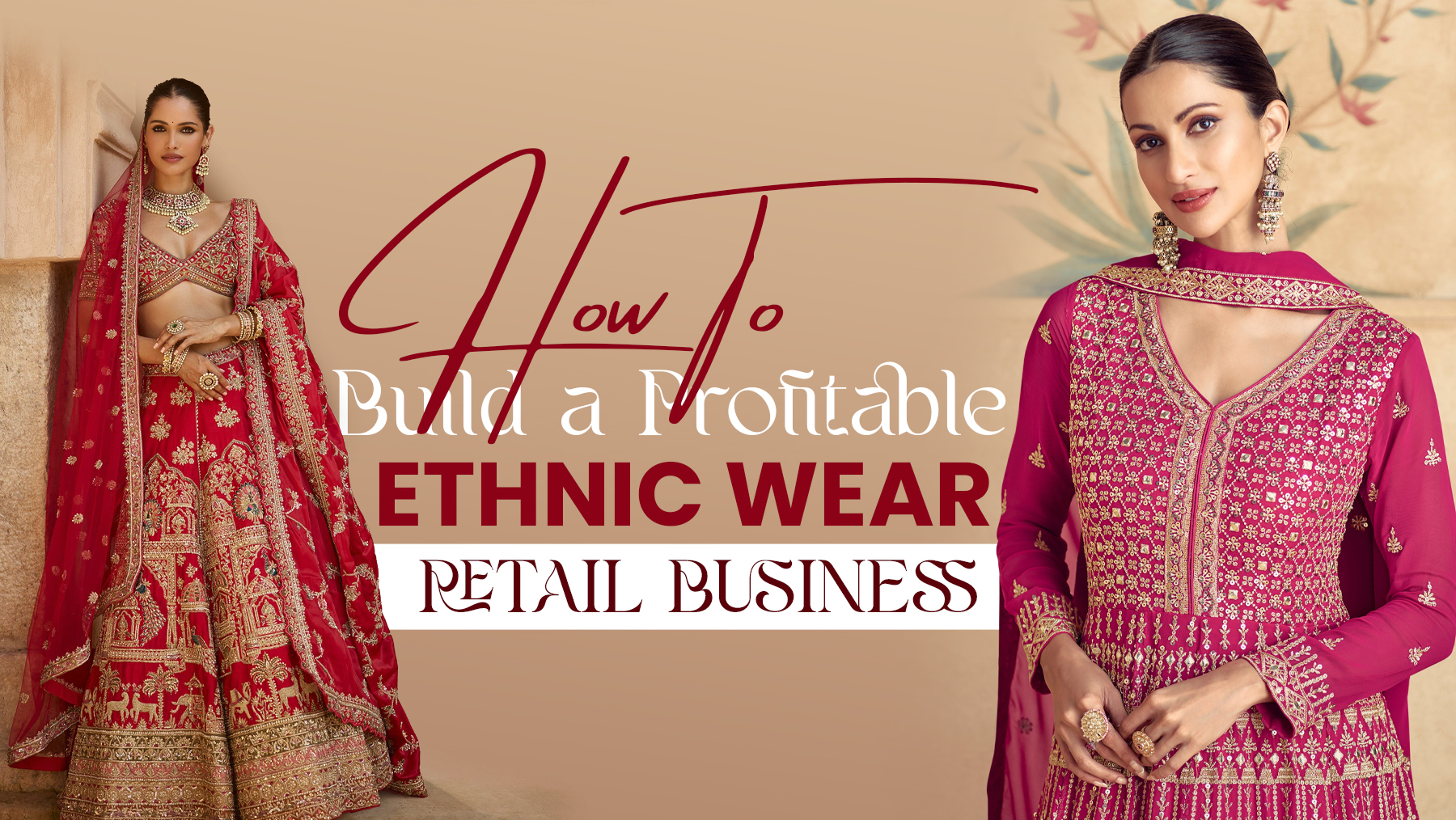
How to Build a Profitable Ethnic Wear Retail Business
Building a profitable ethnic wear retail business is not only about opening a shop and filling it with fashionable clothes. A successful business depends on choosing the right products, understanding your customers, buying at the right wholesale price, managing inventory carefully, and creating a shopping experience that makes customers come back.
India has a strong and diverse ethnic fashion market, with demand coming from weddings, festivals, family functions, religious occasions, office celebrations, and everyday traditional wear. This creates opportunities for retailers who understand their local market and maintain the right product mix.
For a new retailer, one of the most important decisions is finding a dependable wholesale source. Ajmera Chandni Chowk is connected with one of Delhi’s most recognized ethnic wear wholesale markets and provides retailers with access to a broad range of ethnic fashion products.
What Makes an Ethnic Wear Retail Business Profitable?
A profitable ethnic wear retail business combines strong product selection, healthy margins, controlled operating costs, repeat customers, and efficient inventory management. Simply selling more products does not always mean higher profit. Retailers need to understand which products sell quickly, which price ranges customers prefer, and when to replenish stock.
The first step is therefore to build your business around customer demand rather than buying products only because they look attractive.
Understand Your Target Customer
Before investing in inventory, identify who you want to serve. Your target customer could include college students, working women, brides, wedding shoppers, families, boutique customers, or customers looking for affordable festive clothing.
For example, a store located in a residential area may require a different product mix from a boutique located in a premium shopping district. Understanding this difference can help reduce slow-moving inventory.
Choose the Right Ethnic Wear Product Mix
Product selection is one of the biggest factors when learning how to build a profitable ethnic wear retail business. Your collection should provide customers with enough choice without making your inventory unnecessarily complicated.
Depending on your target market, you can consider categories such as:
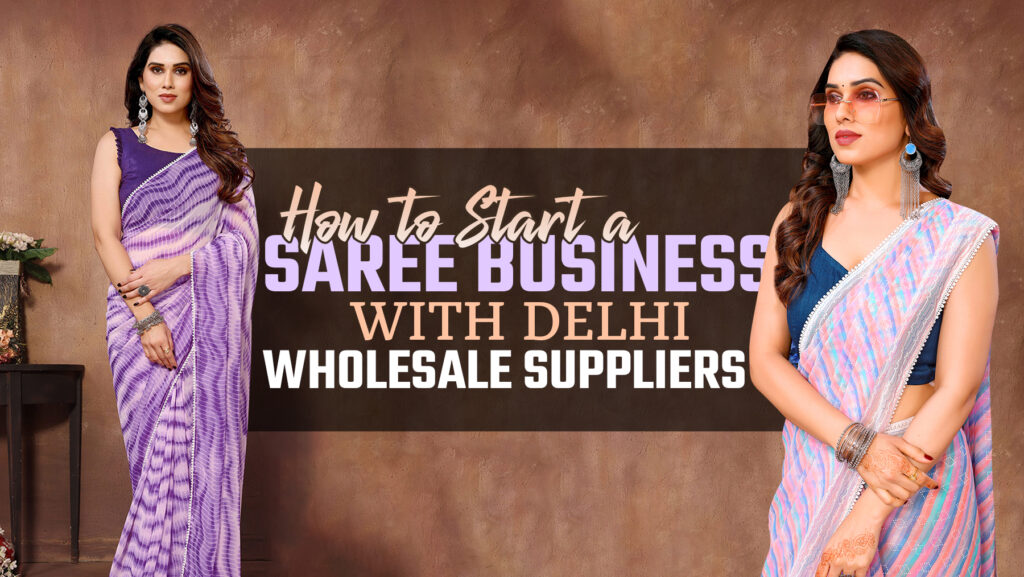
- Designer and party wear sarees
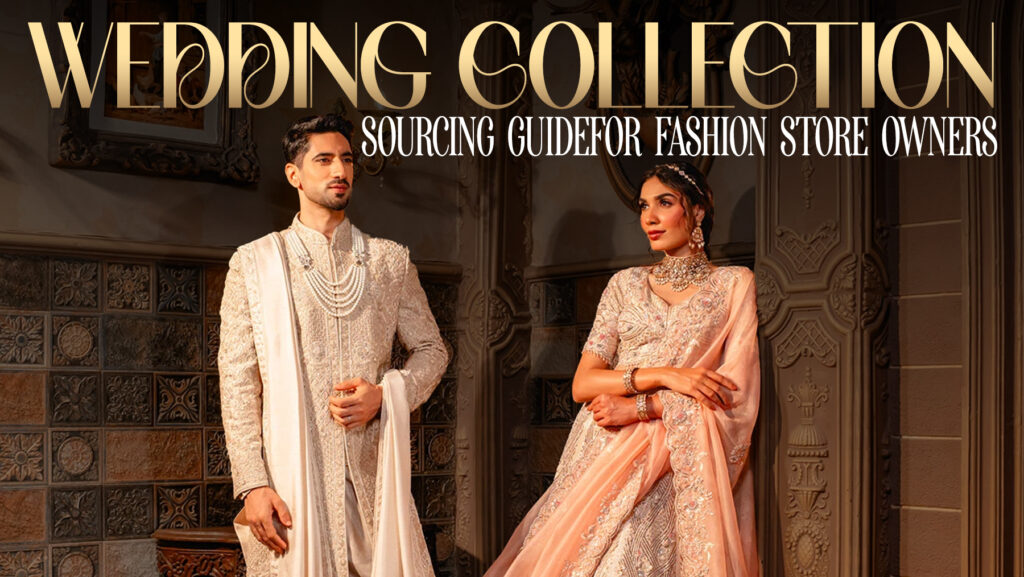
- Bridal and wedding lehengas
- Salwar suits and dress materials
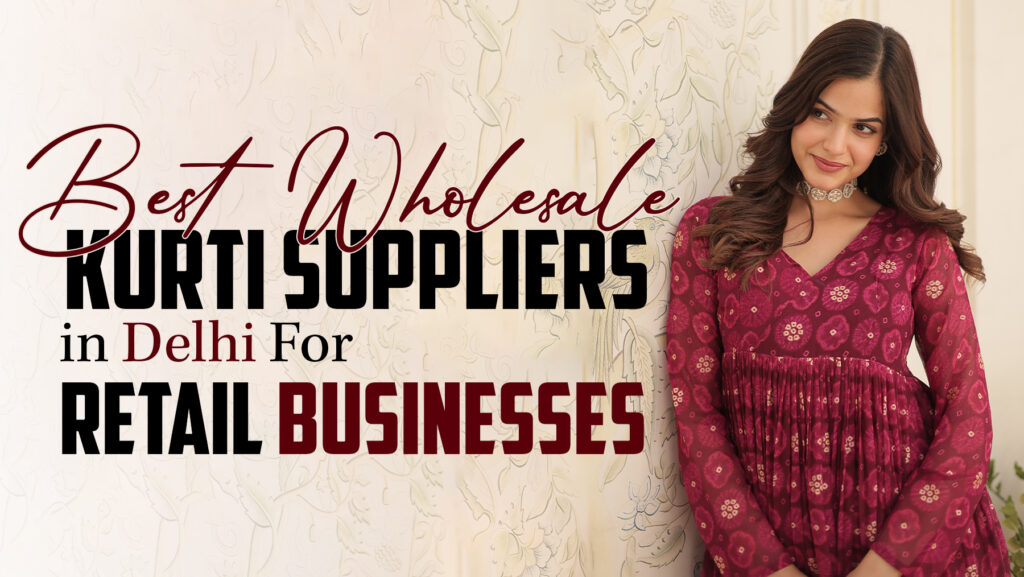
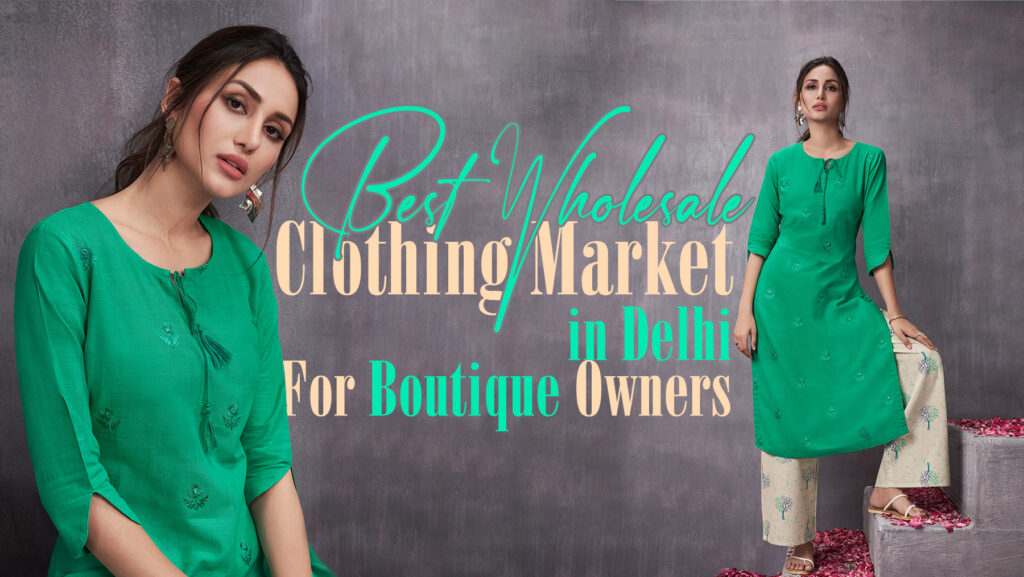
- Kurtis and ethnic sets
- Anarkali suits
- Festive ethnic wear
- Indo-western outfits
- Wedding guest collections
A balanced collection allows customers to shop for different occasions from the same store. It can also help increase the average value of each purchase.
Find a Reliable Ethnic Wear Wholesale Supplier
A retailer’s profitability begins with the purchase price. Finding a reliable ethnic wear supplier can help you maintain competitive retail prices while protecting your margins.
When evaluating a wholesale supplier, do not look only at the lowest price. Check product quality, fabric, stitching, finishing, consistency, delivery capability, design variety, and communication.
Ajmera Chandni Chowk is positioned for retailers and buyers looking for wholesale ethnic wear from Chandni Chowk, Delhi. A reliable wholesale relationship can make it easier for retailers to maintain collections and introduce new designs as customer preferences change.
Why Wholesale Sourcing Matters
Buying directly from a manufacturer or established wholesaler can provide better control over product cost. It can also make it easier to compare collections, negotiate bulk purchases, and plan seasonal inventory.
Retailers should calculate the complete landed cost of every product rather than looking only at the supplier’s quoted price.
Plan Your Budget Before Opening the Store
One common mistake in the ethnic clothing business is spending most of the available capital on inventory and leaving too little money for rent, staff, marketing, packaging, technology, and working capital.
Create separate budgets for:
- Initial inventory
- Store setup and interiors
- Rent and security deposit
- Staff and operating expenses
- Marketing and advertising
- Packaging and billing systems
- Working capital
Keeping sufficient working capital is particularly important because fashion businesses often need to refresh their collections regularly.
Choose the Right Location for Your Ethnic Wear Shop
Location can influence both customer footfall and operating costs. A high-traffic location may bring more potential customers, but it can also come with higher rent. A lower-cost location can work when the business has strong local demand, online visibility, or an established customer base.
Look at nearby residential areas, wedding-related businesses, shopping destinations, parking availability, public transport, and competing fashion stores before selecting a location.
Use Pricing Strategically
Pricing should be based on your product cost, operating expenses, market conditions, customer expectations, and desired margin. Avoid randomly adding a percentage to the wholesale price.
A better approach is to divide your collection into different price segments. For example, you can maintain entry-level products for price-sensitive customers, mid-range products for regular shoppers, and premium products for customers looking for designer or occasion wear.
This gives customers more choice while allowing your store to serve multiple buying capacities.
Keep Your Inventory Under Control
Inventory management is critical in fashion retail because trends change quickly. Products that sell well should be replenished, while slow-moving products should be identified early.
Maintain records for product category, purchase price, selling price, stock quantity, sales velocity, and customer demand. Even a simple digital inventory system can provide valuable information for purchasing decisions.
Use Sales Data to Buy Better
Instead of relying entirely on personal assumptions, review your sales every month. Identify your best-selling colours, fabrics, sizes, price ranges, and categories.
This information can help you decide what to reorder and what to reduce during the next purchase cycle.
Build a Strong Ethnic Wear Brand
A retail store becomes more valuable when customers remember the brand rather than only the products. Create consistent branding across your store, packaging, social media, website, catalogues, and customer communication.
Use clear product photographs, accurate descriptions, transparent pricing, and professional customer service. If your customers trust your recommendations and product quality, they are more likely to return for future purchases.
Use Digital Marketing to Reach More Customers
Modern ethnic wear retailers should not depend only on physical store traffic. Instagram, Facebook, Google Business Profile, WhatsApp communication, and an ecommerce website can help a local ethnic wear business reach customers beyond its immediate area.
Regularly showcase new arrivals, wedding collections, festive launches, styling ideas, customer favourites, and behind-the-scenes product content. Short videos can also help customers understand fabric, detailing, fit, and overall appearance.
Digital marketing is particularly useful for ethnic wear because customers often research products online before visiting a store.
Focus on Customer Experience
Ethnic wear purchases are often emotional and occasion-driven. A customer buying a wedding outfit may need help with colour, styling, matching accessories, and sizing.
Train your sales team to understand the customer’s requirement instead of simply pushing the most expensive product. Helpful service can turn a first-time buyer into a repeat customer.
Build Relationships With Your Wholesale Supplier
A strong relationship with your wholesale supplier can become an important part of your long-term business strategy. Communicate your customer preferences, discuss upcoming collections, and monitor new designs regularly.
For retailers sourcing from the Chandni Chowk ethnic wear market, maintaining a dependable relationship with suppliers such as Ajmera Chandni Chowk can help simplify repeat purchasing and collection planning.
Track the Numbers That Matter
A profitable ethnic wear business should be managed using actual numbers rather than assumptions. Review sales and expenses regularly and track important indicators such as total sales, gross margin, average order value, inventory turnover, repeat customers, and slow-moving stock.
These numbers can show where the business is performing well and where adjustments are required.
Can a Small Ethnic Wear Store Become Profitable?
Yes, a small ethnic wear store can become profitable when it focuses on a clearly defined customer group, maintains sensible inventory, controls expenses, and builds repeat demand. The size of the store alone does not determine profitability.
A focused collection with good product-market fit can sometimes perform better than a large store carrying too many unrelated products.
Final Thoughts
Learning how to build a profitable ethnic wear retail business requires a combination of fashion understanding and business discipline. The right supplier, suitable product mix, sensible pricing, controlled inventory, strong customer service, and consistent marketing all work together to create sustainable retail growth.
For retailers looking for wholesale ethnic wear, Chandni Chowk remains an important sourcing destination. Working with an established wholesale partner such as Ajmera Chandni Chowk can give retailers access to ethnic wear collections while helping them build a more organized purchasing strategy.
The goal should not simply be to open an ethnic wear shop. The goal should be to build a retail brand that customers trust, remember, and return to for their next occasion.
Get In Touch
If you are looking for ethnic wear wholesale collections or want to discuss sourcing requirements, contact Ajmera Chandni Chowk.
Ajmera Chandni Chowk
Phone: +91 98111 01484
Email: info@ajmerachandnichowk.com
Address: 4310 Jogiwara Gali Bhairov Wali, Nai Sarak, Chandni Chowk, Delhi, 110006
Frequently Asked Questions
1. How do I start an ethnic wear retail business?
Start by identifying your target customers, selecting a suitable location or online sales model, deciding your product categories, setting a realistic budget, and finding a reliable ethnic wear wholesale supplier. Begin with products that match local demand and expand the collection based on actual sales data.
2. Is ethnic wear a profitable retail business in India?
Ethnic wear can provide retail opportunities because demand comes from weddings, festivals, religious occasions, celebrations, and everyday traditional clothing. Profitability depends on factors such as purchase cost, selling price, inventory turnover, operating expenses, location, customer demand, and repeat business.
3. Where can I buy wholesale ethnic wear for my retail shop?
Retailers can source wholesale ethnic wear from established textile and fashion markets such as Chandni Chowk in Delhi. Buyers should compare product quality, wholesale pricing, designs, supplier reliability, and order requirements before selecting a long-term supplier.
4. What ethnic wear products should a new retailer stock?
A new retailer can start with a focused selection of sarees, lehengas, kurtis, suits, festive wear, and wedding collections depending on the target customer. The ideal product mix varies by location, customer profile, season, and price segment.
5. How much inventory should I buy for a new ethnic wear shop?
There is no single inventory quantity suitable for every store. A retailer should consider available capital, store size, expected customer demand, supplier lead time, and product price. Starting with a controlled assortment and replenishing proven sellers can reduce the risk of excessive slow-moving stock.
6. How can I increase profit margins in ethnic wear retail?
Retailers can improve margins by negotiating competitive wholesale prices, reducing unnecessary operating costs, managing inventory carefully, identifying high-demand products, improving average order value, and creating repeat customers. Better inventory turnover can be as important as the margin on an individual product.
7. Why is Chandni Chowk important for ethnic wear wholesale?
Chandni Chowk is a major textile and apparel trading destination in Delhi, with numerous businesses serving retailers and bulk buyers. Its concentration of ethnic fashion suppliers gives buyers access to a broad selection of products and different price segments.
8. How can I promote my ethnic wear shop online?
Use platforms such as Instagram, Facebook, Google Business Profile, WhatsApp, and your website to showcase new arrivals and collections. Product videos, styling content, customer-focused offers, seasonal campaigns, and accurate product information can help attract people who are researching ethnic wear online.
9. How important is a wholesale supplier for an ethnic wear retailer?
A wholesale supplier directly affects product cost, quality, collection variety, and replenishment. A reliable supplier can help a retailer maintain consistent stock and respond faster when particular designs or categories become popular.
10. Can I build an ethnic wear business with both offline and online sales?
Yes. An omnichannel approach allows a retailer to combine the trust and experience of a physical store with the reach of digital channels. Products can be promoted through social media, catalogues, messaging platforms, and an ecommerce website while customers can visit the store for personal shopping.