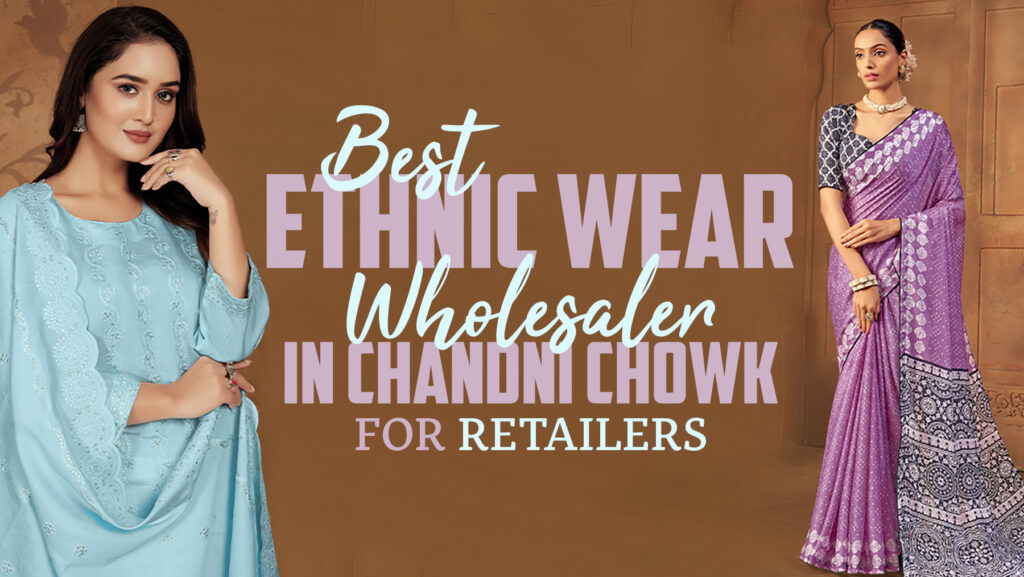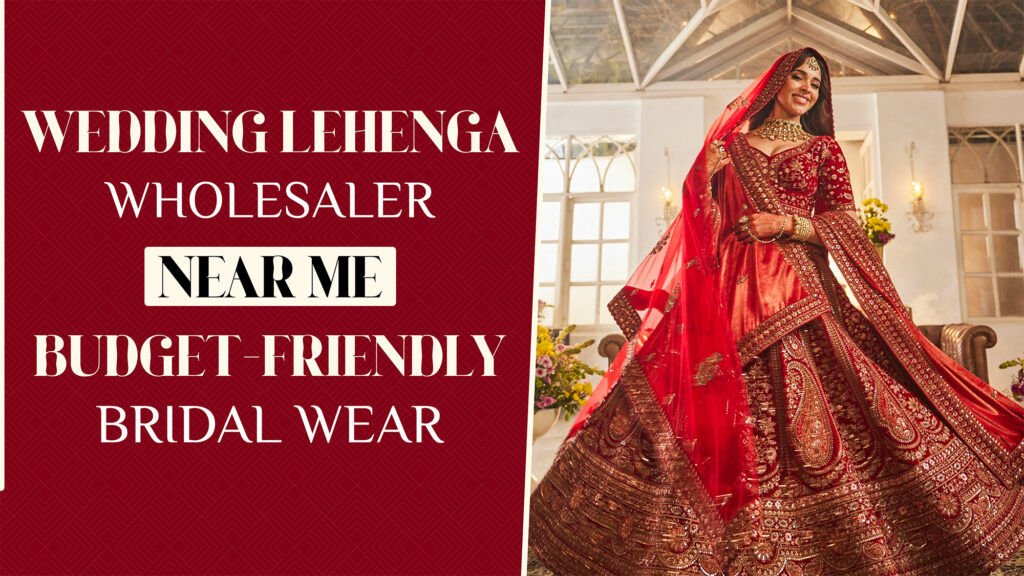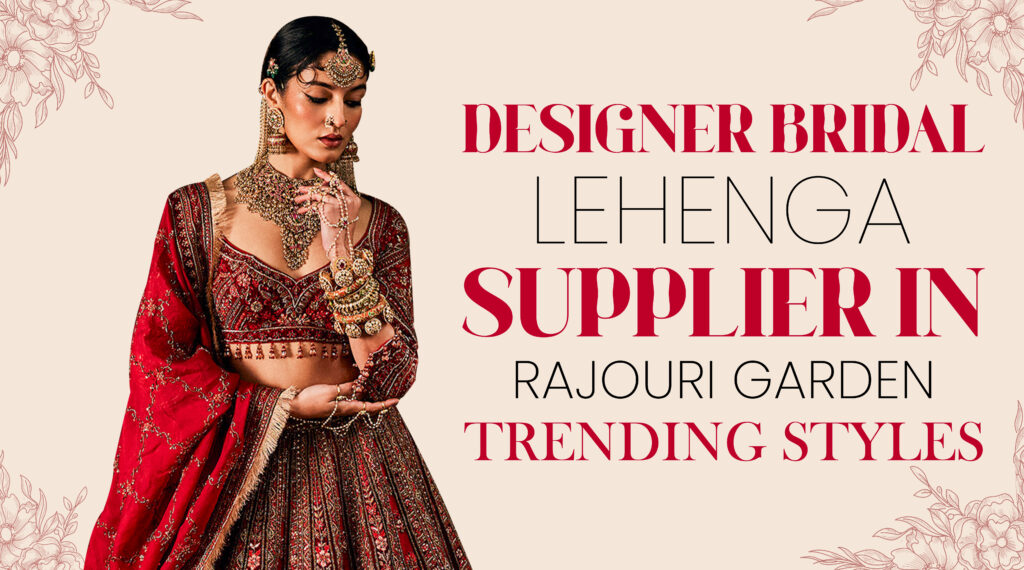


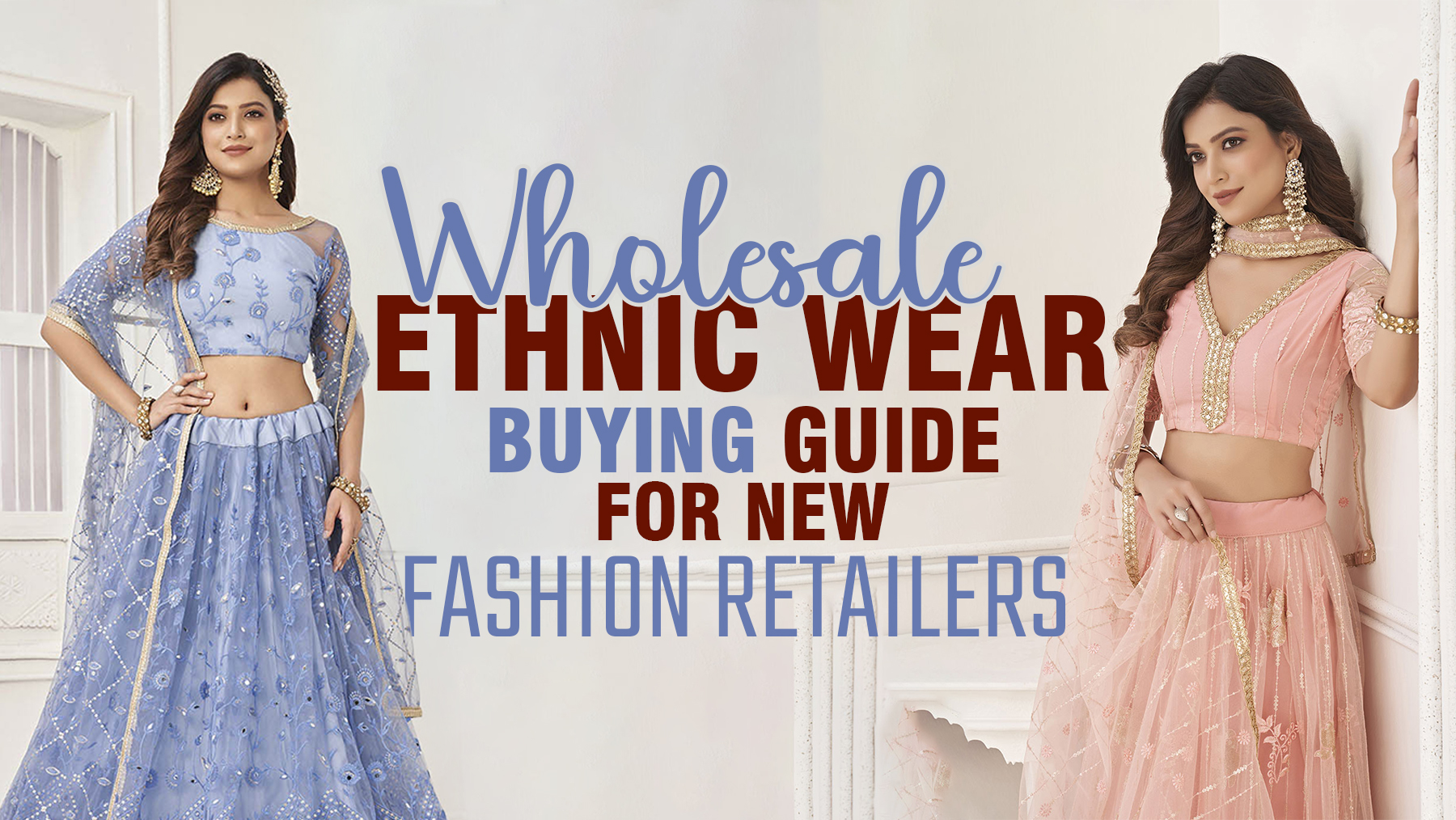
Starting a fashion retail business can be exciting, but choosing the right products and wholesale supplier can make a big difference to your success. For new retailers, ethnic wear is one of the most attractive categories because sarees, lehengas, kurtis, suits and other traditional outfits have demand throughout the year, especially during weddings, festivals and celebrations.
This wholesale ethnic wear buying guide is designed for new fashion retailers who want to understand how to source ethnic clothing, choose the right supplier, compare wholesale prices, check quality and build a collection that customers actually want to buy.
For retailers looking for a reliable sourcing destination, Ajmera Chandni Chowk is part of the well-known ethnic fashion ecosystem of Chandni Chowk, Delhi, where buyers can explore a wide range of traditional and contemporary fashion products.
Why Is Ethnic Wear a Good Category for New Fashion Retailers?
Ethnic wear can be a strong category for a new fashion retailer because it serves multiple customer occasions. A single store can sell everyday kurtis, festive sarees, wedding lehengas, party wear suits and premium bridal collections.
The biggest advantage is variety. Retailers can create different collections for different customer budgets instead of depending on one type of product.
- Sarees for everyday and festive customers
- Lehengas for weddings and celebrations
- Kurtis for regular ethnic fashion
- Salwar suits and dress materials
- Party wear and occasion wear
- Bridal and wedding collections
For a new retailer, this variety makes it easier to test different products and understand which categories perform best in the local market.
How Should New Retailers Choose an Ethnic Wear Wholesale Supplier?
The right wholesale ethnic wear supplier should offer more than attractive designs. Retailers should evaluate product quality, price, consistency, communication, order handling, available collections and the supplier’s ability to maintain regular stock.
Before placing a large order, ask the supplier important questions about minimum order quantities, available sizes, fabric, delivery timelines, return or replacement policies and product availability.
Key Things to Check Before Choosing a Supplier
- Product quality and finishing
- Wholesale pricing
- Minimum order quantity or MOQ
- Latest fashion collections
- Size and colour availability
- Packaging and dispatch process
- Communication and after-sales support
- Ability to supply consistently
A supplier who can maintain consistent quality is often more valuable than a supplier offering the lowest price for the first order.
Why Is Chandni Chowk Important for Ethnic Wear Wholesale?
Chandni Chowk is one of India’s most recognised textile and ethnic fashion markets. Its wholesale ecosystem attracts retailers, boutique owners, resellers and traders looking for products across different price segments.
For a new retailer, sourcing from a major wholesale market can provide access to a much larger selection than buying from a single local distributor. Buyers can compare designs, fabrics, finishing and pricing before deciding which products fit their business.
Ajmera Chandni Chowk operates from this established fashion market and serves buyers looking for ethnic wear collections suitable for retail businesses.
Which Ethnic Wear Products Should a New Retailer Buy?
There is no single product mix that works for every retailer. Your selection should depend on your target customers, location, store size and price range.
1. Sarees
Sarees are one of the most versatile ethnic wear categories. Retailers can stock everyday sarees, festive sarees, designer styles, party wear and premium collections. A balanced saree collection can help a new store serve customers across multiple occasions.
2. Lehengas
Lehengas are particularly important for wedding and festive markets. New retailers should consider maintaining a mix of affordable occasion wear and premium-looking designs instead of investing the entire budget in expensive bridal pieces.
3. Kurtis
Kurtis can provide regular sales because customers purchase them for office wear, casual outings, college, festivals and everyday use. Retailers can experiment with different lengths, fabrics, prints and silhouettes.
4. Suits and Occasion Wear
Salwar suits, designer suits and occasion wear can complement sarees and lehengas. They are useful for customers who want traditional clothing but prefer a ready-to-wear outfit.
How Much Should You Invest in Wholesale Ethnic Wear?
There is no fixed investment amount for every new retailer. The right starting budget depends on your business model, store size and target customer.
Instead of spending the entire budget on one category, new retailers should consider starting with a diversified collection. This allows them to test customer demand before placing larger repeat orders.
- Start with products across different price points.
- Keep some budget for fast-moving products.
- Avoid overstocking expensive designs initially.
- Track which colours, fabrics and styles sell quickly.
- Use sales data to plan the next wholesale purchase.
The objective of the first purchase should not simply be to buy as much stock as possible. It should be to understand what your customers actually want.
How Can Retailers Check Ethnic Wear Quality?
Quality checking is one of the most important steps when buying wholesale ethnic wear. Before confirming an order, inspect stitching, fabric, embroidery, embellishment, lining, finishing, colour consistency and overall presentation.
For embellished garments such as bridal lehengas, pay special attention to embroidery and stone or sequin work. Loose embellishments and poor finishing can lead to customer complaints and returns.
Wholesale Quality Checklist
- Check stitching and seams.
- Inspect embroidery and embellishments.
- Check fabric quality.
- Verify measurements and sizes.
- Look for colour or printing inconsistencies.
- Inspect hooks, zippers and other fittings.
- Check the overall finishing of the garment.
How Can New Retailers Compare Wholesale Prices?
Wholesale price should never be evaluated alone. Two products may look similar but have significant differences in fabric, workmanship, embroidery, finishing and construction.
When comparing ethnic wear wholesalers in Delhi, retailers should compare the complete value of the product. Ask what fabric is being used, what type of work is included, whether the product is ready to sell and what quantity is required for the quoted price.
A slightly higher purchase price can still produce better business results if the product has stronger customer appeal, better quality and a healthier retail margin.
What Is MOQ and Why Does It Matter?
MOQ means Minimum Order Quantity. It refers to the minimum number of pieces or units a wholesaler requires a buyer to purchase in an order.
MOQ is particularly important for new retailers because they may not want to invest heavily in a single design before testing its demand. Before ordering, clarify whether the supplier has a fixed MOQ, whether different designs can be mixed and whether the MOQ applies per design, colour or total order.
How Can Retailers Follow Ethnic Fashion Trends?
Fashion trends change quickly, particularly in bridal and festive wear. Retailers should monitor customer preferences, social media fashion content, wedding seasons and new collections from manufacturers and wholesalers.
However, following every trend is not always a good strategy. A successful retail collection normally combines current designs with proven products that customers regularly purchase.
A practical approach is to maintain a core collection of reliable sellers and use a smaller part of the buying budget to test newer styles.
Why Is Working With an Experienced Wholesale Partner Important?
For a new retailer, an experienced wholesale partner can simplify sourcing. Instead of searching for different suppliers for every product category, retailers can build a relationship with a supplier that understands ethnic fashion and can provide multiple product options.
Ajmera Chandni Chowk provides ethnic wear collections for buyers who are looking for wholesale sourcing from the Chandni Chowk market. For retailers, building a long-term relationship with a dependable supplier can make future purchasing easier and more predictable.
Common Mistakes New Ethnic Wear Retailers Should Avoid
Many new retailers focus heavily on price and forget about product selection, customer demand and stock management. Avoiding a few common mistakes can make the buying process much more effective.
- Buying too much stock before understanding customer demand.
- Choosing products only because they look attractive to the buyer.
- Ignoring quality while comparing prices.
- Not checking MOQ before placing an order.
- Investing the complete budget in one product category.
- Failing to monitor which products sell quickly.
- Not maintaining a relationship with reliable suppliers.
How to Build Your First Wholesale Ethnic Wear Collection
A practical strategy is to start with a balanced product mix. Select products for different occasions and customer budgets. Once your store begins generating sales, identify your best-performing categories and gradually increase investment in those products.
For example, if kurtis generate regular sales while premium lehengas move mainly during wedding season, your buying strategy should reflect that difference. Stock levels should be based on actual customer demand rather than assumptions.
Good wholesale buying is not about purchasing the cheapest products. It is about purchasing the right products at a price that allows your business to make a sustainable margin.
Conclusion
Starting an ethnic wear retail business requires careful product selection, reliable sourcing and a clear understanding of your customers. A good wholesale ethnic wear buying strategy should consider quality, pricing, MOQ, fashion trends, product variety and long-term supplier relationships.
For new retailers, Chandni Chowk remains an important sourcing destination because of its wide ethnic fashion ecosystem. Ajmera Chandni Chowk can be considered by retailers looking for ethnic wear collections from a wholesale market environment.
The most successful retailers do not simply buy more stock. They learn what their customers want, choose products carefully and build strong relationships with dependable wholesale suppliers.
Frequently Asked Questions
1. What should a new retailer look for in an ethnic wear wholesaler?
A new retailer should check product quality, wholesale pricing, MOQ, collection variety, availability, dispatch process and supplier reliability. It is also useful to understand whether the supplier can provide consistent products for repeat orders.
2. Is Chandni Chowk good for wholesale ethnic wear?
Yes. Chandni Chowk is a major textile and ethnic fashion market in Delhi and offers retailers access to a wide range of products and wholesale suppliers. Buyers can explore categories such as sarees, lehengas, suits, kurtis and bridal wear.
3. What ethnic wear should I buy first for my new store?
Start with a balanced collection rather than investing heavily in one category. Depending on your target customers, a combination of sarees, kurtis, suits, festive wear and selected lehengas can help you test demand before increasing your inventory.
4. How do I compare ethnic wear wholesale prices?
Compare more than the purchase price. Check fabric, stitching, embroidery, finishing, sizes, packaging and MOQ. A product with a slightly higher wholesale price may offer better value if its quality and customer demand are stronger.
5. What does MOQ mean in wholesale clothing?
MOQ stands for Minimum Order Quantity. It is the minimum quantity a supplier requires a buyer to purchase. The MOQ may apply to an individual design, colour, size or the complete order, so retailers should confirm the supplier’s terms before ordering.
6. How can I check the quality of wholesale lehengas?
Inspect the fabric, stitching, embroidery, lining, embellishments, finishing and fittings. For heavily embellished lehengas, check whether stones, sequins and other decorative elements are securely attached and whether the garment has a clean overall finish.
7. Is ethnic wear profitable for fashion retailers?
Ethnic wear can be a profitable retail category when products are selected according to customer demand, purchase cost and selling price. Profitability depends on factors such as location, product quality, operating expenses, pricing strategy and inventory management.
8. How often should a retailer purchase new ethnic wear collections?
There is no universal buying schedule. Retailers should monitor sales, seasonal demand and fashion trends. Fast-moving products may need regular replenishment, while bridal and premium products can be purchased according to local wedding and festive demand.
9. Can boutique owners buy ethnic wear wholesale from Chandni Chowk?
Yes. Boutique owners are among the buyers who source ethnic wear from Chandni Chowk. The market provides access to different product categories and price segments, allowing boutiques to build collections according to their customers.
10. How can I contact Ajmera Chandni Chowk for wholesale ethnic wear?
Retailers interested in wholesale ethnic wear can contact Ajmera Chandni Chowk to discuss available collections, sourcing requirements and business enquiries. The team can be contacted using the details provided below.
Get In Touch
Ajmera Chandni Chowk
Phone: +91 98111 01484
Email: info@ajmerachandnichowk.com
Address: 4310 Jogiwara Gali Bhairov Wali, Nai Sarak, Chandni Chowk, Delhi, 110006
If you are a new fashion retailer, boutique owner or reseller looking for wholesale ethnic wear, get in touch with Ajmera Chandni Chowk to explore suitable collections for your business.